Seattle Deck Railing Code: Complete Guide for 2025

Seattle deck railing codes are among the most stringent in the nation, reflecting the city’s commitment to safety in a challenging marine climate and seismic environment. Understanding these requirements is essential for any deck build project in the city, whether you’re creating your dream deck or simply replacing existing railings. This comprehensive guide breaks down everything you need to know about the Seattle deck-railing code requirements, from height specifications to permit processes.

Seattle operates under Washington State amendments to the International Residential Code and International Building Code, with additional local variations that exceed national standards. These enhanced requirements stem from the region’s unique environmental challenges, including frequent rainfall, seismic activity, and steep topography that create additional safety considerations for deck railings and guardrails.

A professional contractor is measuring the height=

Seattle Deck Railing Height Requirements

Seattle follows Washington State building codes that mandate a minimum 36-inch guardrail height for residential decks positioned more than 30 inches above the adjacent walking surface. Commercial and multi-family projects must have a minimum 42-inch guardrail height. This means Seattle’s residential guard requirements match the International Residential Code baseline for one- and two-family dwellings, while larger or non-residential buildings follow the taller IBC standard.

The height is measured vertically from the deck surface to the top rail, ensuring proper safety clearance for users. This measurement standard is critical during inspections, as even minor deviations can result in code violations. Most decks that exceed 30 inches above grade must incorporate these height requirements, while decks at or below this threshold do not require railings under Seattle’s local building codes. However, Seattle’s permitting rules are stricter than the state’s — any deck over 18 inches high requires a building permit, even if a guard is not yet required.

For any construction project, it is vital to comply with the Seattle deck-railing code to ensure safety and legality.

Commercial and multi-family buildings must also maintain the 42-inch minimum guardrail height, consistent with International Building Code standards. However, decks higher than standard residential applications may require additional engineering analysis to ensure structural adequacy under increased load conditions.

Seattle’s residential height requirements match the IRC minimum of 36 inches, while commercial and multi-family projects follow the taller 42-inch IBC standard. The city enforces strict compliance with these standards due to several important considerations: the marine climate creates frequently wet and slippery deck surfaces, increasing fall risk; the high population density and prevalence of families with young children heighten the need for fall prevention; and historical accident data demonstrates that proper railing heights significantly reduce fall incidents, particularly among vulnerable populations.

Seattle Permit Requirements for Deck Railings

Subject-to-field-inspection permits are required for most deck railing installations in Seattle, administered through the Seattle Department of Construction and Inspections (SDCI). In Seattle, any deck over 18 inches high requires a building permit, regardless of whether a guardrail is required. The permitting process ensures all deck railings meet current code requirements and receive proper inspection throughout construction. 

Larger or complex deck projects may need addition/alteration construction permits, particularly for decks over 8 feet high or those with exceptional spans. Projects located in environmentally critical areas, such as landslide zones or near waterfront properties, typically require enhanced permit review and may involve additional engineering requirements.

Railing replacement on existing decks typically requires permits if structural changes are involved, such as modifications to post footings or ledger connections. Simple replacement of railings without structural alterations may proceed under less extensive permit requirements, but confirming permit necessity with SDCI before beginning work is always recommended.

The Seattle Department of Construction and Inspections oversees all deck railing permit processes, enforcing compliance with safety standards, structural requirements, and energy efficiency rules. Most permits are processed electronically, streamlining the application process for contractors and homeowners.

Timeline and cost breakdown for typical deck railing permits in Seattle varies based on project complexity. Standard residential deck permits generally cost between $300-$650 and require 2-4 weeks for processing. Commercial projects or those requiring special inspections may incur significantly higher fees and extended review periods. Projects in critical areas or requiring code variances may extend several months due to environmental and design review requirements.

cropped hand worker drilling screw wood

Baluster and Opening Requirements

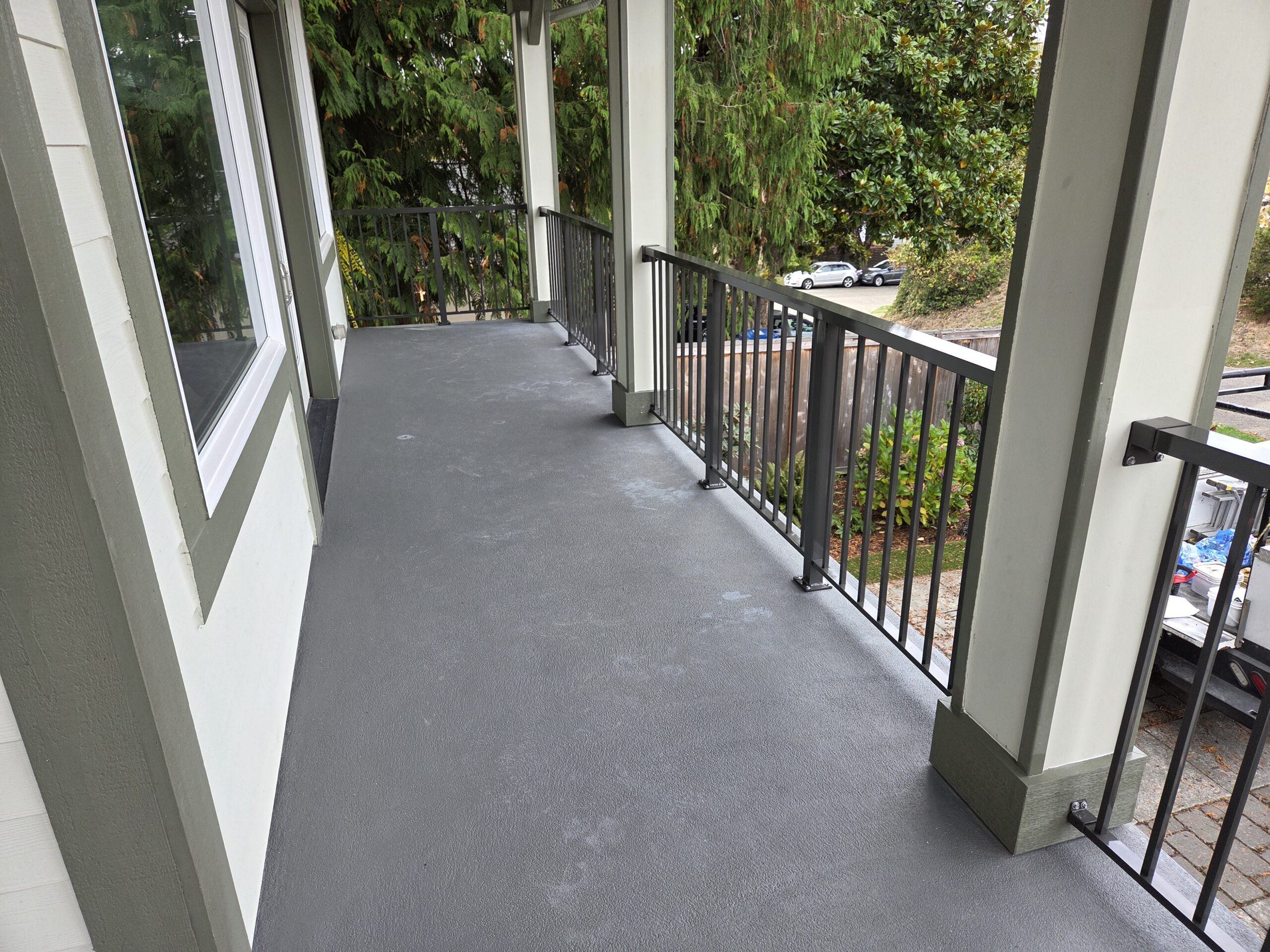
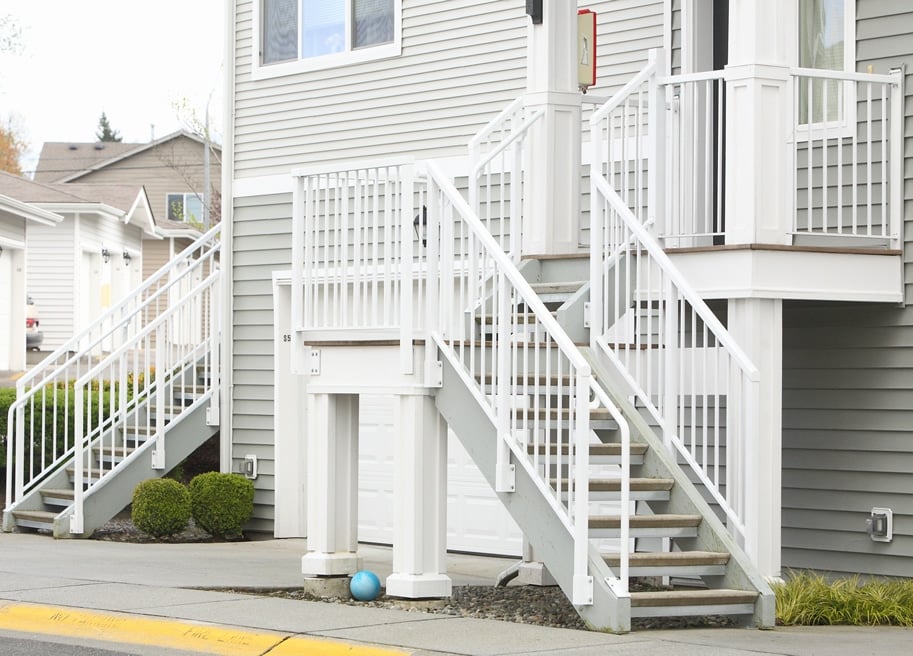
The 4-inch sphere rule applies throughout Seattle – no opening between balusters can allow a 4-inch diameter sphere to pass through. This life safety requirement prevents children from slipping through or becoming trapped in guardrail openings, representing a critical aspect of deck design and installation.

The bottom rail must be positioned within 4 inches of the deck surface to prevent passage underneath the railing system. This requirement ensures comprehensive protection along the full length of the railing, eliminating potential hazard points near the walking surface.

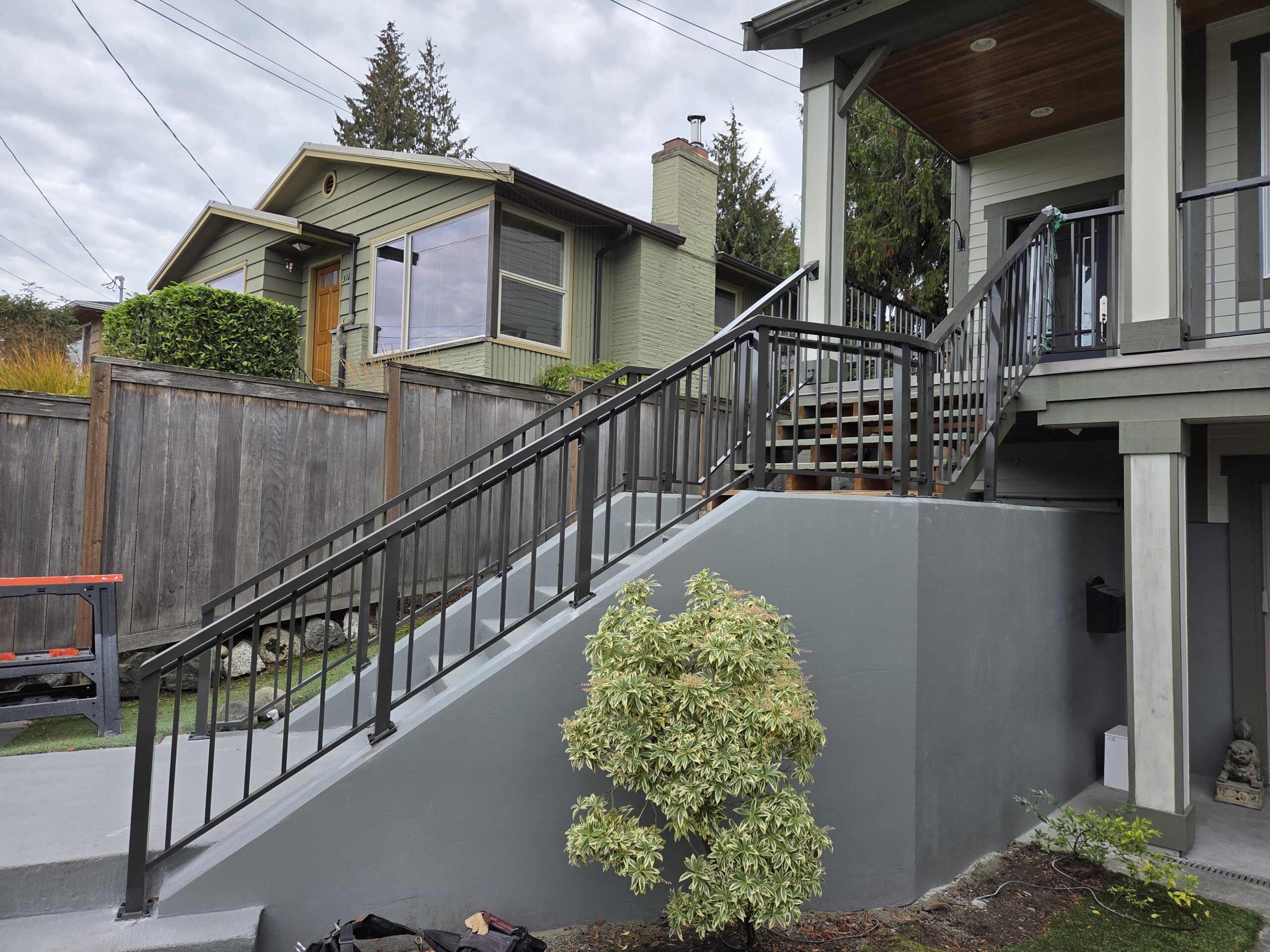
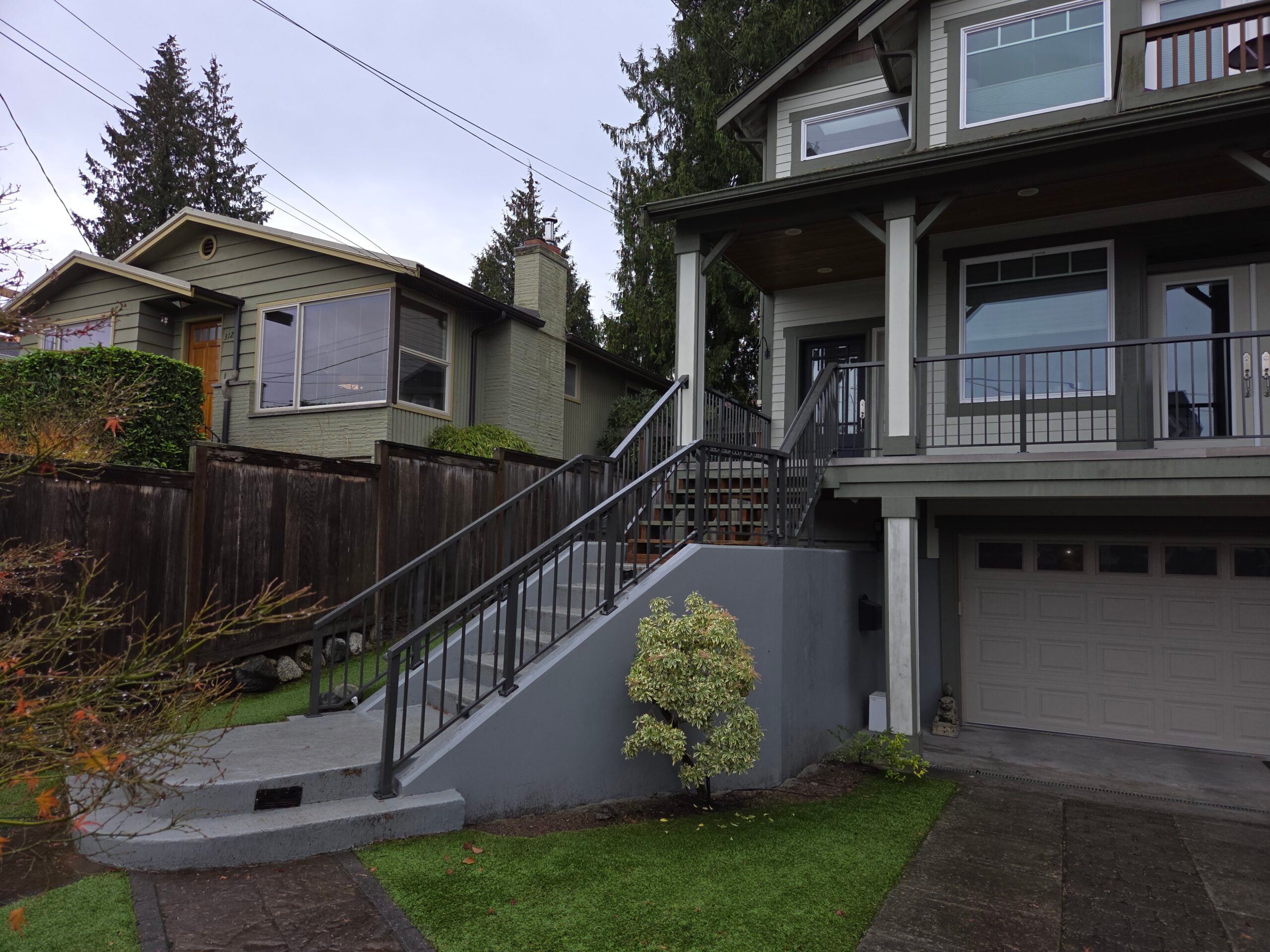
Stair railings stair railings follow a modified standard, allowing the 6-inch sphere rule for triangular openings between stair treads, risers, and the bottom rail. This accommodation balances safety requirements with practical installation realities on stairs, where the geometry creates naturally occurring triangular spaces.

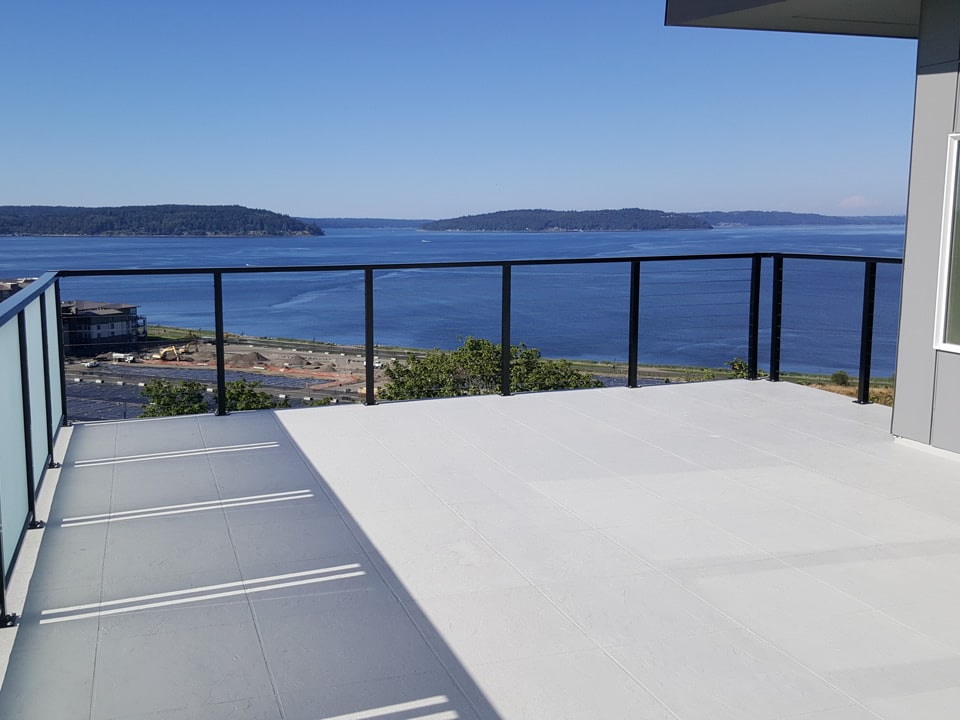
Cable railing systems must meet the same spacing requirements, with cables positioned accordingly to maintain the 4-inch maximum opening. These systems require careful tensioning and documentation to pass inspection, as improper installation can create openings that exceed code limits or fail under load testing.

Glass panels and other solid infill options that comply with Seattle opening requirements are permitted, provided they maintain structural integrity and meet safety glazing standards. Tempered or laminated safety glass is typically required for these applications, ensuring the panels can withstand impact without creating dangerous fragments.

Load and Structural Requirements

Seattle requires guardrails to withstand a concentrated horizontal load of 200 pounds applied to the top rail at any point along its length. This structural test ensures railings can resist sudden impact or crowd forces that might occur during normal use or emergency situations.

For manufactured railing systems, post spacing must follow the manufacturer’s engineering specifications to meet the 200-lb load requirement. Many systems use around 8 feet on center, but spacing can vary depending on the product design and engineering.

Railing posts must be properly attached to deck framing with approved fasteners and connections that resist both outward pull and lateral push forces. The connection method varies depending on deck construction, but all installations must demonstrate adequate strength through approved hardware and installation techniques.

Engineered railing systems require certification from the manufacturer or a licensed engineer verifying the system meets or exceeds Seattle’s load requirements. This documentation must be provided and may be verified during the inspection process. 

Wind load considerations specific to Seattle’s climate and weather patterns may require additional engineering for exposed locations. High-rise decks or those near Puget Sound waterfront face increased wind pressures that can affect railing design and anchoring requirements. These conditions often necessitate enhanced connection details and may require professional engineering analysis.

A close-up view of metal deck railing hardware and connection brackets, showcasing the detailed components that ensure safety and stability for deck railings. This image highlights the importance of adhering to local building codes and international residential code requirements for secure deck design and construction.

Seattle-Specific Code Variations

Washington State amendments to the IRC affect Seattle deck railing requirements in several important ways that exceed standard residential code provisions. These modifications reflect regional environmental conditions and safety priorities that shape local building practices.

Environmental considerations for decks near Puget Sound waterfront or steep slopes include enhanced corrosion resistance requirements and potential restrictions on installation methods. The marine environment accelerates material degradation, necessitating upgraded hardware and protective finishes that extend railing lifespan.

Seismic design requirements for deck railings in Seattle’s earthquake zone mandate specific anchoring and bracing details that exceed standard construction practices. Hold-down devices and lateral connections must be installed within specified distances of deck ends, ensuring railings remain secure during seismic events.

Special provisions for historic districts and landmark properties in Seattle may allow some aesthetic variances while maintaining life safety requirements. These projects typically require design review to balance preservation goals with modern safety standards, often resulting in custom solutions that blend traditional appearance with contemporary engineering.

Seattle’s climate affects material choices and railing durability requirements significantly. The region’s frequent rainfall and marine exposure create challenging conditions that demand corrosion-resistant materials, proper drainage details, and protective finishes. Wood railings require pressure treatment or naturally decay-resistant species, while metal components need galvanized or stainless steel hardware to prevent premature failure.

Approved Materials and Installation

Wood, composite, PVC, aluminum, and steel railing materials are approved for Seattle installations, each offering different advantages for specific applications. Material selection should consider local climate conditions, maintenance requirements, and aesthetic preferences while meeting structural performance standards.

Corrosion-resistant materials are recommended for Seattle’s marine climate, particularly for hardware and connection components. Stainless steel fasteners, galvanized hardware, and powder-coated finishes help ensure long-term performance in challenging environmental conditions.

Proper flashing and weatherproofing requirements for railing connections are critical for preventing water intrusion and structural damage. Connection points between railings and deck framing must include appropriate drainage details and moisture barriers to protect the underlying structure.

Professional installation recommendations versus DIY considerations depend on project complexity and local permit requirements. While simple railing replacements may be suitable for experienced DIYers, new installations and complex projects typically benefit from professional expertise to ensure code compliance and structural adequacy.

Material-specific maintenance requirements to ensure continued code compliance vary significantly between railing types. Wood systems require regular inspection and refinishing, composite materials need periodic cleaning and fastener checks, while metal railings may need recoating or hardware replacement over time. Understanding these requirements helps property owners maintain safety and code compliance throughout the railing’s service life.

Companies like American Railworks specialize in navigating these complex requirements, ensuring all installations meet or exceed Seattle’s stringent standards through careful material selection, proper installation techniques, and thorough understanding of local codes.

Inspection and Compliance Process

Seattle inspection timeline and what inspectors look for during deck railing inspections follows a structured process that verifies compliance with all applicable codes. Inspections typically occur at multiple stages, including post installation, structural framing, and final completion phases.

Common code violations found during Seattle deck railing inspections include excessive baluster spacing, insufficient guard height, improper post anchoring, and use of non-approved materials. Understanding these frequent issues helps project teams avoid costly corrections and delays.

How to schedule inspections with SDCI and required documentation involves coordinating with the department at predetermined construction milestones. Required documentation may include manufacturer certifications for engineered systems, structural calculations for custom designs, and material specifications for compliance verification.

Consequences of non-compliance and correction procedures can include stop-work orders, fines, or denial of final occupancy permits. Projects that fail inspection must address all deficiencies before proceeding, potentially causing significant delays and additional costs.

The final approval process and obtaining certificate of occupancy for deck projects requires successful completion of all required inspections and demonstration of code compliance. Only after meeting all requirements does SDCI issue final approval, allowing the deck to be legally occupied and used.

The image depicts a completed wooden deck featuring code-compliant railings that overlook the Seattle cityscape, showcasing the deck's surface and sturdy guardrails designed to meet safety and height=

Important Considerations for Your Project

When planning your deck project, understanding Seattle’s unique requirements helps ensure successful completion and long-term satisfaction. The city’s codes reflect genuine safety concerns and environmental challenges that affect railing performance over time.

Professional contractors familiar with local codes, like American Railworks, bring valuable expertise to complex installations. Their understanding of Seattle-specific requirements, proper material selection, and installation techniques helps ensure projects meet all applicable standards while avoiding common pitfalls that can cause inspection failures.

The investment in quality materials and professional installation pays dividends through enhanced safety, durability, and code compliance. While initial costs may be higher than minimum standards, the long-term benefits of exceeding requirements include reduced maintenance, improved performance, and greater resale value.

Planning ahead for inspections and maintaining clear communication with SDCI throughout the process helps projects proceed smoothly. Understanding timeline expectations, required documentation, and inspection criteria allows teams to prepare appropriately and avoid delays.

Conclusion

Seattle’s deck railing code requirements represent some of the most comprehensive safety standards in the nation, reflecting the city’s commitment to protecting residents in a challenging environmental context. From the 36-inch minimum height for most residential decks (42 inches for commercial and multi-family) to strict baluster spacing and load resistance standards, these codes ensure deck railings provide reliable protection for users. 

Understanding permit requirements, material specifications, and inspection processes is essential for any successful deck project in Seattle. Whether you’re building a simple residential deck or a complex commercial installation, compliance with local building codes ensures safety, legal occupancy, and long-term performance.

Working with experienced professionals who understand Seattle’s unique requirements, such as American Railworks, provides the expertise needed to navigate complex code requirements while achieving your project goals. Their commitment to exceeding code minimums and implementing industry best practices ensures your railing installation will provide years of safe, reliable service.

For any deck railing project in Seattle, investing in proper design, quality materials, and professional installation creates value that extends far beyond initial construction costs. The peace of mind that comes from knowing your railings meet or exceed all applicable codes makes this investment worthwhile for any property owner.

Scroll to Top