
Existing railings
Railing Maintenance
& Repair Planning
Concerned about loose, damaged or aging railings? Homeowners, contractors and property teams can tell us where the railing is and what has changed so we can discuss the next step.
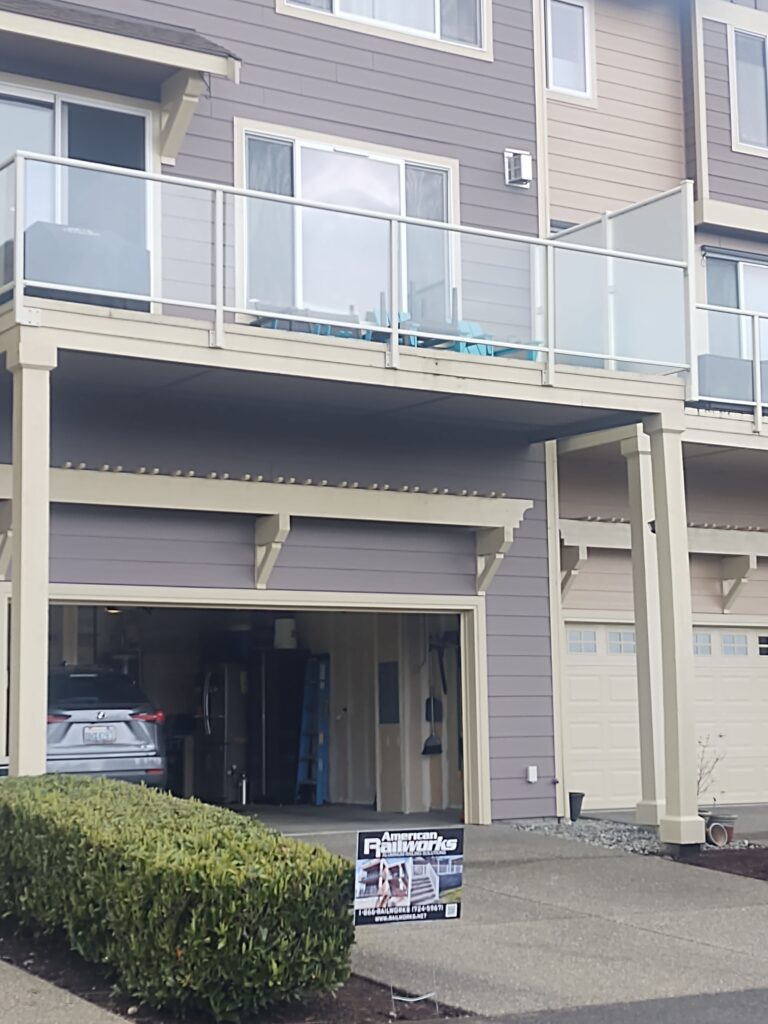
When should a railing be reviewed?
Movement, damaged connections, corrosion or a changing finish are reasons to review the installed railing and supporting structure.
Movement or connections
Notice changes without pushing, pulling or load-testing the railing.
Damage or corrosion
A surface concern and an attachment concern may need different responses.
Finish or appearance
Separate cleaning and design goals from possible damage.
For visible damage or movement, seek a qualified assessment before relying on the railing.
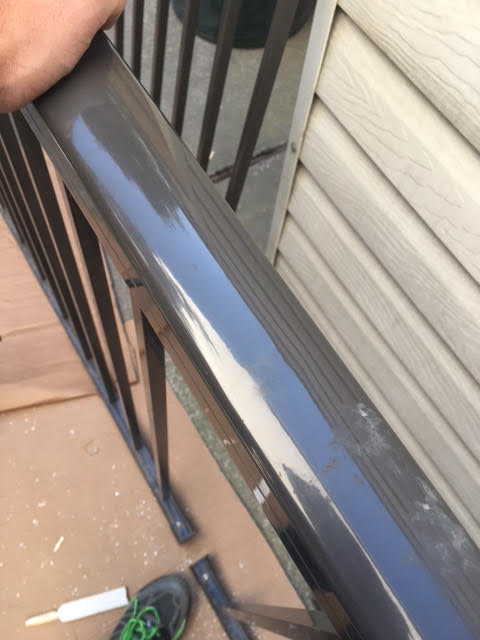
Three starting points
Care, repair or replacement?
The right path depends on the installed system and your goals.
01
Routine care
Follow the cleaning and care instructions for the actual system, finish and hardware.
02
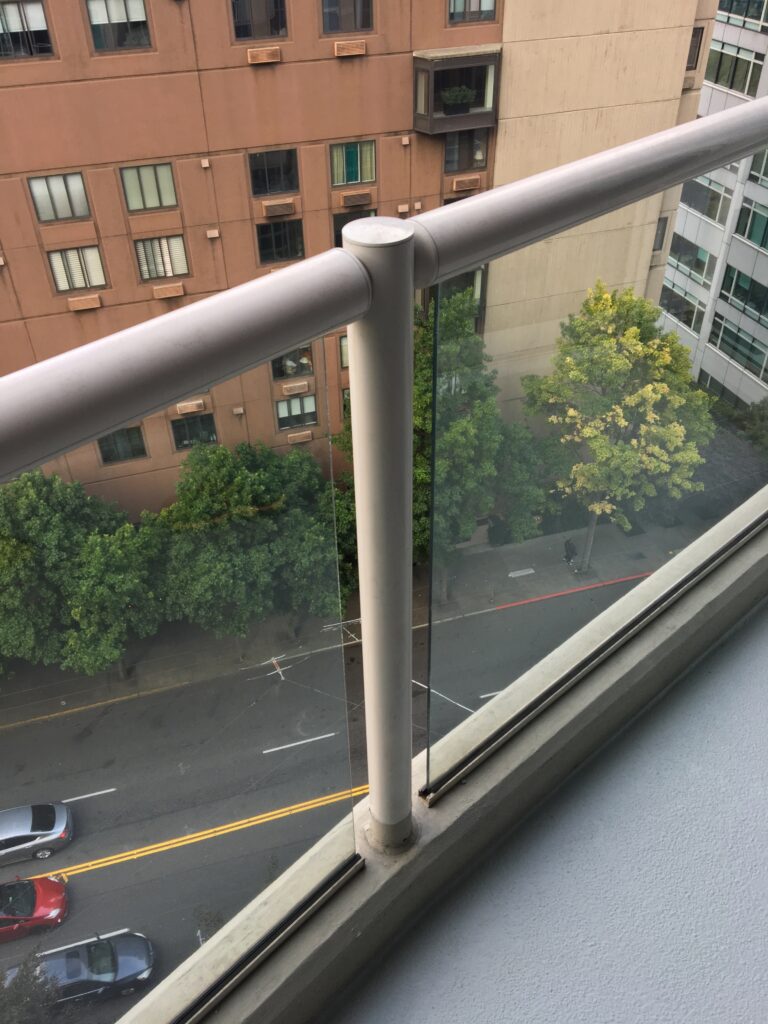
Repair planning
Review components, attachments and supporting structure before assuming a part can be repaired or reused.
03
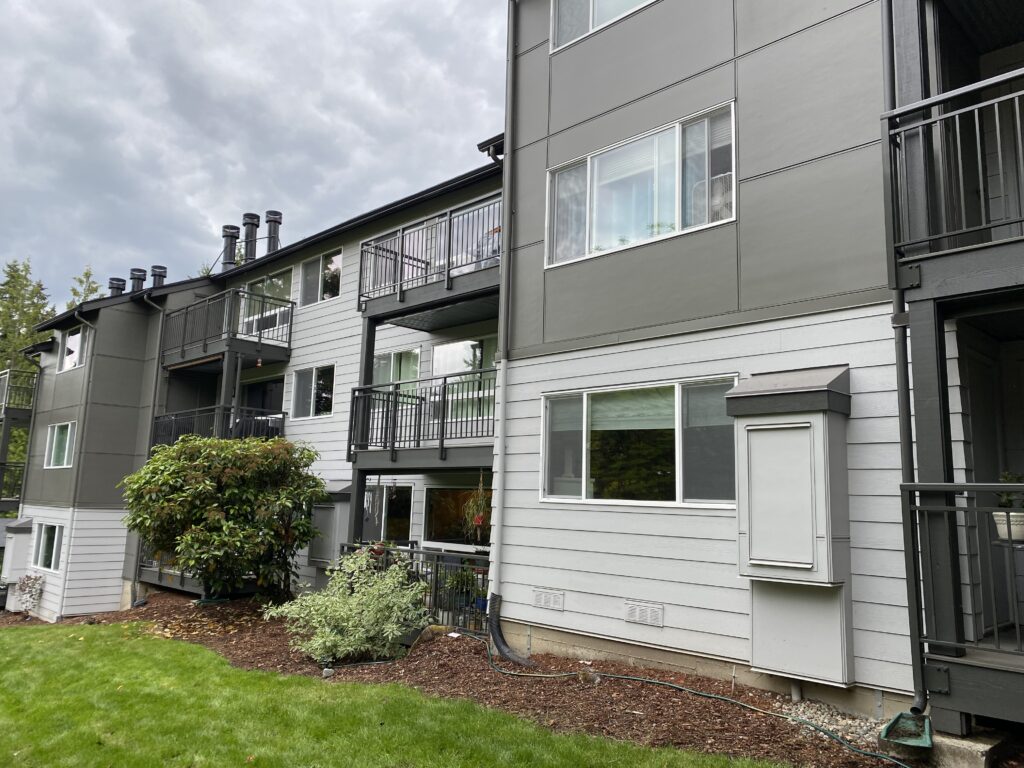
Replacement planning
Explore a new custom system when the condition, layout or design direction calls for it.
Learn from existing-railing projects.
Each property and scope is different. These completed examples show several approaches.
Localized railing repair
Repair of a dented railing section during exterior remediation.
Phased replacement
Phased railing replacement and damage repairs coordinated with remediation.
Storm-damage repair
Windstorm-damage repair with the homeowner and insurance company on an existing installation.
Toprail repair
Work with the HOA and a structural engineer to address loose toprails.

Privacy-panel retrofit
Engineering collaboration on retrofit and reattachment after windstorm damage to glass privacy panels.
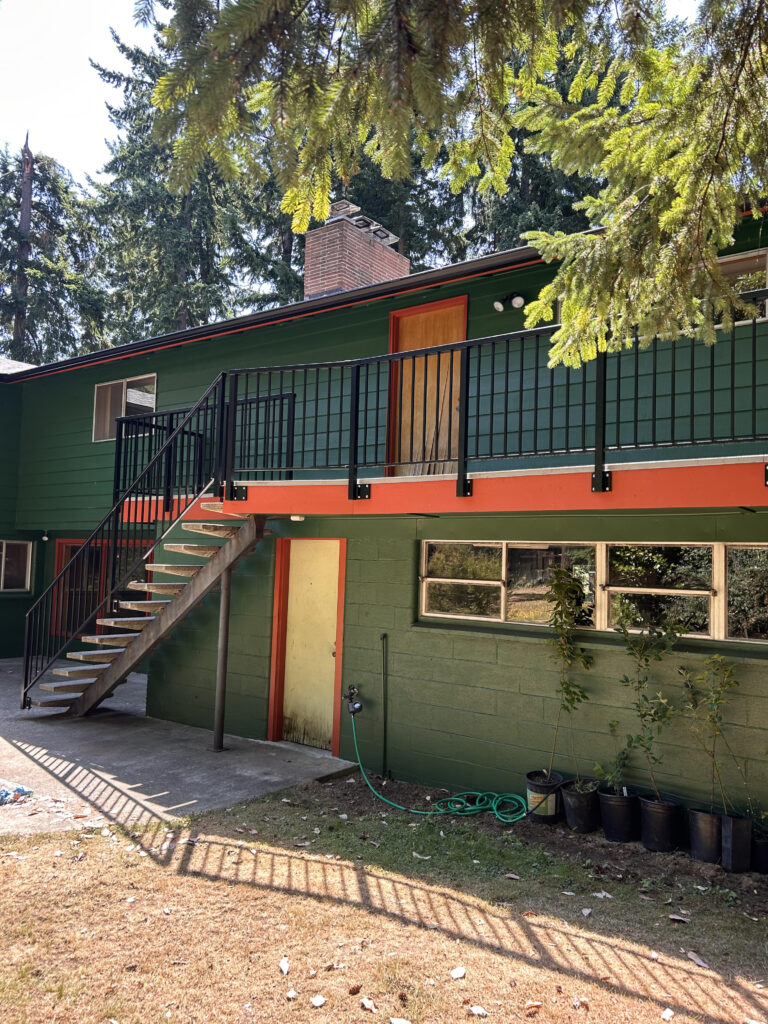
Remodel and repair
Work with a general contractor to update rusted steel railings while retaining the existing stair structure.
Start with what you know.
Share the location, what has changed and who is involved in the project.
01
Tell us about the property
02
Describe what you noticed
03
Project contacts
Photos and dimensions are not required to start. We will call to ask about your project.
Railing maintenance & repair questions.
What are the signs that my railings need repair?
Movement, visible damage, corrosion, changes in the finish or loose-looking connections are reasons to request a review. Do not push, pull or load-test the railing to diagnose it. Seek qualified advice before relying on a visibly damaged or unstable railing.
Can a corroded railing be repaired instead of replaced?
It depends on the components, attachments and supporting structure. Appearance alone cannot establish repairability. An individual review should distinguish routine care, localized repair and replacement.
How does weather affect the planning conversation?
Describe whether the railing is sheltered, regularly wet, near salt water or recently affected by a storm. Exposure helps inform the discussion; care and repair must match the installed system.
What about an older or non-standard railing?
Share existing plans, installation history and any manufacturer information. Older and non-standard systems need an individual review; compatible components and the appropriate scope cannot be assumed.
Are any railing materials maintenance-free?
Care depends on the complete system, including the finish, panels or cables and hardware. Follow the installed system’s instructions rather than assuming a material is maintenance-free.
How long will the project take?
Timing depends on the assessment, scope, project coordination and required materials. Contact us to discuss your installation and scheduling; there is no standard repair timeline.