Aluminum vs Wood Railings: Complete Comparison Guide
When planning your deck or balcony project, choosing the right railing material can significantly impact your budget, maintenance schedule, and property value for decades to come. The decision between aluminum vs wood railings represents one of the most crucial factors in any railing project, affecting everything from installation costs to long term performance.
This comprehensive guide examines every aspect of both railing materials, from initial investment through decades of ownership. Whether you’re a homeowner planning a DIY installation or a contractor evaluating options for clients, understanding these two materials will help you make an informed decision that aligns with your aesthetic preferences, budget constraints, and maintenance capabilities.
Introduction to Railing Materials
When it comes to choosing the right railing material for your deck, balcony, or indoor space, the options can seem overwhelming. Glass railings, wood railings, cable railings, and aluminum railings each bring their own set of advantages and considerations to any railing project. Glass railings are favored for their modern, sleek appearance and ability to create a sense of openness, making them a standout choice for spaces where maximizing light and views is a priority. Wood railings, on the other hand, offer a timeless, traditional look that adds warmth and character, especially in classic or rustic settings.
Cable railings have gained popularity as a low maintenance option that delivers a contemporary, minimalist design while providing unobstructed views. Their stainless steel cables require minimal upkeep, making them ideal for homeowners who want both style and convenience. Aluminum railings are renowned for their durability and minimal upkeep, standing up to the elements with little effort required to maintain their appearance. Understanding the unique characteristics of these railing materials is essential for selecting the right railing material that aligns with your aesthetic preferences, maintenance expectations, and the specific needs of your deck, balcony, or indoor space. By considering the pros and cons of each, you can ensure your railing project delivers both beauty and long-term performance.
Initial Investment Considerations
When selecting the right railing material for your project, it’s important to evaluate more than just the upfront cost. Wood railings often appeal due to their traditional aesthetic and the familiarity many homeowners have with the material. They require skilled labor for cutting, fitting, and finishing each piece, which can impact the overall installation process and timeline. The decision between aluminum vs wood railings represents one of the most crucial factors in any railing project, affecting everything from installation costs to long term performance. Aluminum is often considered a budget friendly option compared to other materials, especially when factoring in long-term costs.
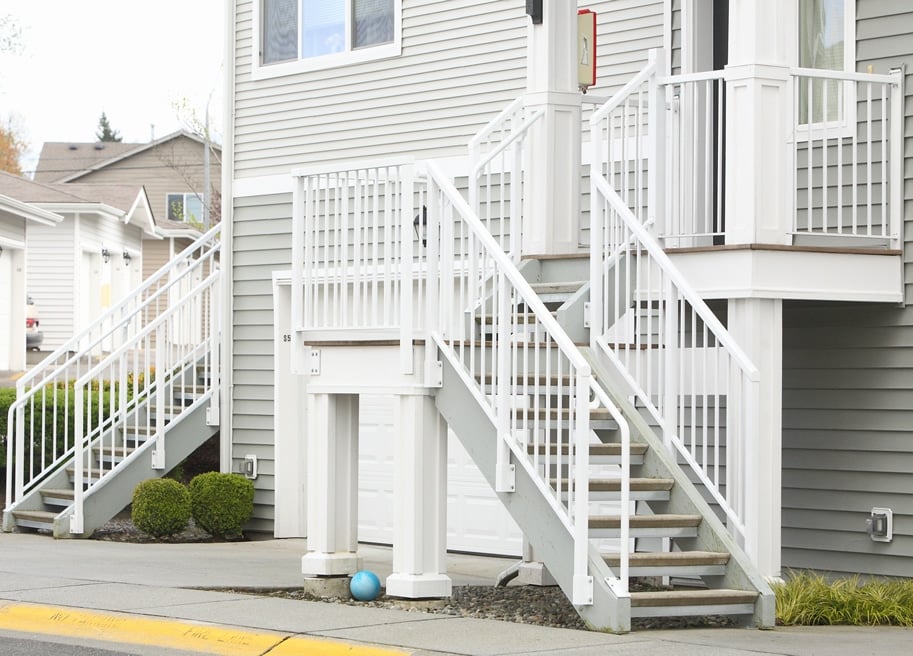
Aluminum railings, on the other hand, offer easy installation thanks to pre-assembled panels and engineered connections. This design reduces installation complexity and labor time, making aluminum an attractive option for contractors and DIY enthusiasts seeking efficiency without compromising on quality or appearance.
The installation process for wood railings typically involves on-site customization, which demands precision and experience to maintain structural integrity and meet building codes. In contrast, aluminum railing systems are designed for straightforward assembly with minimal tools, promoting a faster and more consistent installation process. Railing costs are often calculated per linear foot, and the price per linear foot installed can vary significantly between wood and aluminum. Homeowners should compare the cost per linear foot and per linear foot installed to accurately budget for their project.
Long-Term Value and Maintenance
Beyond initial investment, the long-term performance and maintenance requirements of railing materials play a crucial role in determining their overall value. Wood railings need regular upkeep, including cleaning, staining, sealing, and repairs, to preserve their aesthetic appeal and structural integrity. These maintenance tasks are essential to protect wood from moisture, insect damage, and weathering, especially in harsh climates.
Aluminum railings provide a low maintenance option that requires only occasional cleaning to maintain their appearance. Their durable powder-coated finish resists corrosion, fading, and environmental damage, ensuring lasting protection and minimal upkeep. This minimal maintenance contributes to preserving the structural integrity and aesthetic appeal over many years.
Considering the longevity of these materials, aluminum railings maintain their performance and appearance for extended periods, even in challenging weather conditions. Wood railings, while offering natural beauty, may require more frequent attention and eventual replacement due to environmental wear.
By focusing on installation efficiency, maintenance demands, and durability, homeowners and contractors can make informed decisions that align with their project goals, aesthetic preferences, and long-term expectations.
Durability and Weather Resistance
Material durability represents perhaps the most significant difference between these railing materials. Wood railings face constant threats from moisture, insects, UV radiation, and temperature fluctuations. Common issues include rotting, termite damage, warping, splitting, and cracking from humidity changes. Even pressure-treated wood requires continuous protective treatments to prevent decay and maintain structural integrity.
Aluminum railings demonstrate superior weather resistance across all climate conditions. As a metal, aluminum offers durability and resistance to weathering that wood cannot match. The material is impervious to rot, insect attack, and fire, maintaining consistent performance in harsh weather conditions. Quality powder coating protects against corrosion from rain, snow, salt air, and UV exposure without the expansion and contraction issues that stress wood connections over time.
Marine and coastal environments particularly favor aluminum’s corrosion resistance. Salt spray accelerates wood decay while having minimal impact on properly coated aluminum systems. The material maintains its structural integrity and appearance without the regular treatments required for wood in these challenging conditions.
Unlike wood, aluminum doesn’t undergo significant dimensional changes with temperature and humidity fluctuations. This stability prevents the loosening of fasteners and structural connections that commonly affect wood railings in variable climates, ensuring long-term safety and code compliance.
Installation Process and Speed
The installation process varies dramatically between these materials, affecting both professional contractors and DIY enthusiasts. Traditional wood railing installation requires extensive labor, precise measurement, on-site cutting, and custom fitting of each component. This labor-intensive process demands skilled craftsmen and specialized knowledge of wood properties and joinery techniques.
Aluminum systems revolutionize the installation process through pre-fabricated, lightweight panels designed for rapid assembly. Most systems require no special tools and feature straightforward mechanical fastening systems. The reduced weight makes handling easier while pre-engineered connections ensure proper fit and structural performance.
Professional contractors particularly value aluminum’s installation efficiency. The ability to complete 12 panels per hour versus 3 with wood translates directly to increased profitability and faster project completion. This efficiency allows contractors to take on more projects and improve customer satisfaction through reduced construction time. By completing more projects in less time, contractors are able to earn more money.
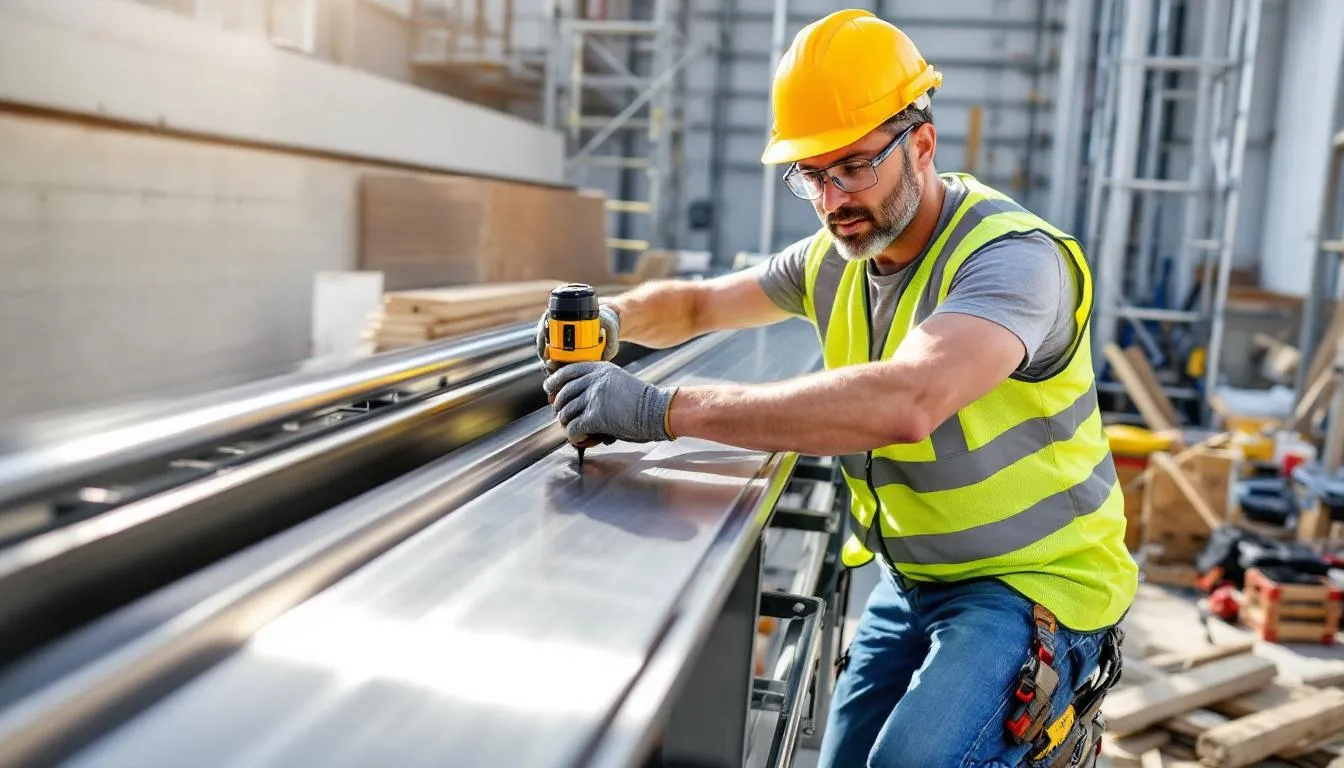
DIY installation becomes significantly more accessible with aluminum systems. Pre-assembled components, clear instructions, and minimal tool requirements make aluminum railings an ideal option for homeowners comfortable with basic mechanical assembly. Wood installation typically requires advanced carpentry skills, specialized tools, and extensive experience with wood working techniques.
The proper installation of either material remains critical for safety and building codes compliance. However, aluminum’s engineered connections and pre-fabricated components reduce the potential for installation errors that could compromise safety or performance over time.
Maintenance Requirements
Maintenance demands represent one of the most significant operational differences between these railing materials. Wood railings require rigorous, scheduled maintenance including annual or biannual staining, sealing, and painting to prevent deterioration. This regular maintenance demands specialized knowledge of proper treatments, application techniques, and timing to maintain both appearance and structural integrity.
The maintenance burden extends beyond routine treatments. Wood railings often require repairs for splintering, warping, loose connections, and weather damage. Missed maintenance accelerates visible aging and can lead to safety issues requiring immediate attention. Water stains, mold, mildew, and insect damage create additional maintenance challenges throughout the wood’s lifespan.
Aluminum railings offer a low maintenance option requiring only periodic cleaning with soap and water. The powder-coated surface resists scratches, fading, and environmental damage without need for repainting or refinishing. This minimal maintenance requirement eliminates the ongoing time investment and expertise needed for wood care.
The reduction in maintenance callbacks significantly benefits contractors and property managers. Aluminum’s consistent performance reduces customer service issues and warranty claims while improving overall satisfaction. This reliability makes aluminum the top priority for commercial applications and multi-unit properties where maintenance efficiency is crucial.
Aesthetic Options and Design Flexibility
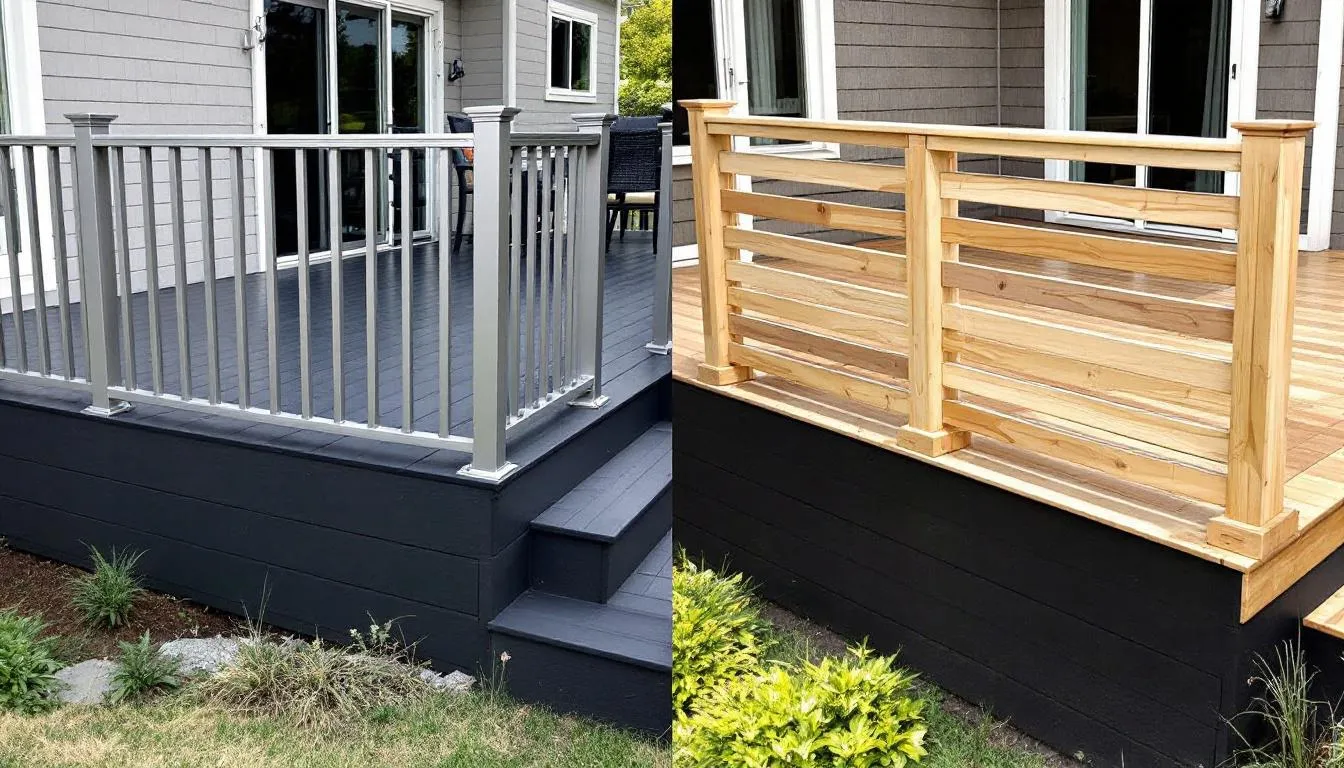
Aesthetic considerations play a vital role in the decision making process between these materials. Wood railings provide natural warmth, unique grain patterns, and traditional appeal that complements rustic, craftsman, and heritage architectural styles. The ability to stain, paint, or leave natural allows extensive customization to match specific design preferences and existing structures.
Wood’s organic variability creates visual interest through natural grain patterns and color variations. Custom woodworking allows for carved details, decorative elements, and unique profiles that showcase craftsmanship. Custom designs in wood railings enable unique, personalized architectural details, further enhancing the aesthetic appeal and allowing for tailored solutions.
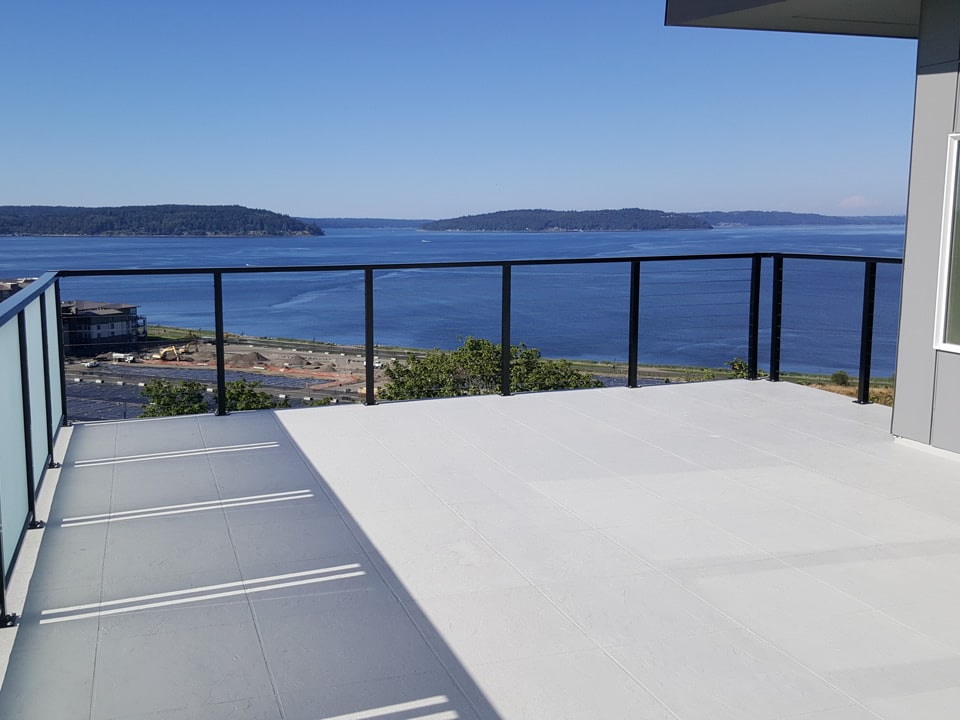
Modern aluminum railings offer sleek, modern designs with contemporary aesthetics, clean lines, and minimalist design elements. Advanced powder coating provides extensive color options including wood-grain finishes that approximate natural wood appearance. Glass railings and stainless steel cable railings can integrate with aluminum posts to create unobstructed views while maintaining safety and code compliance.
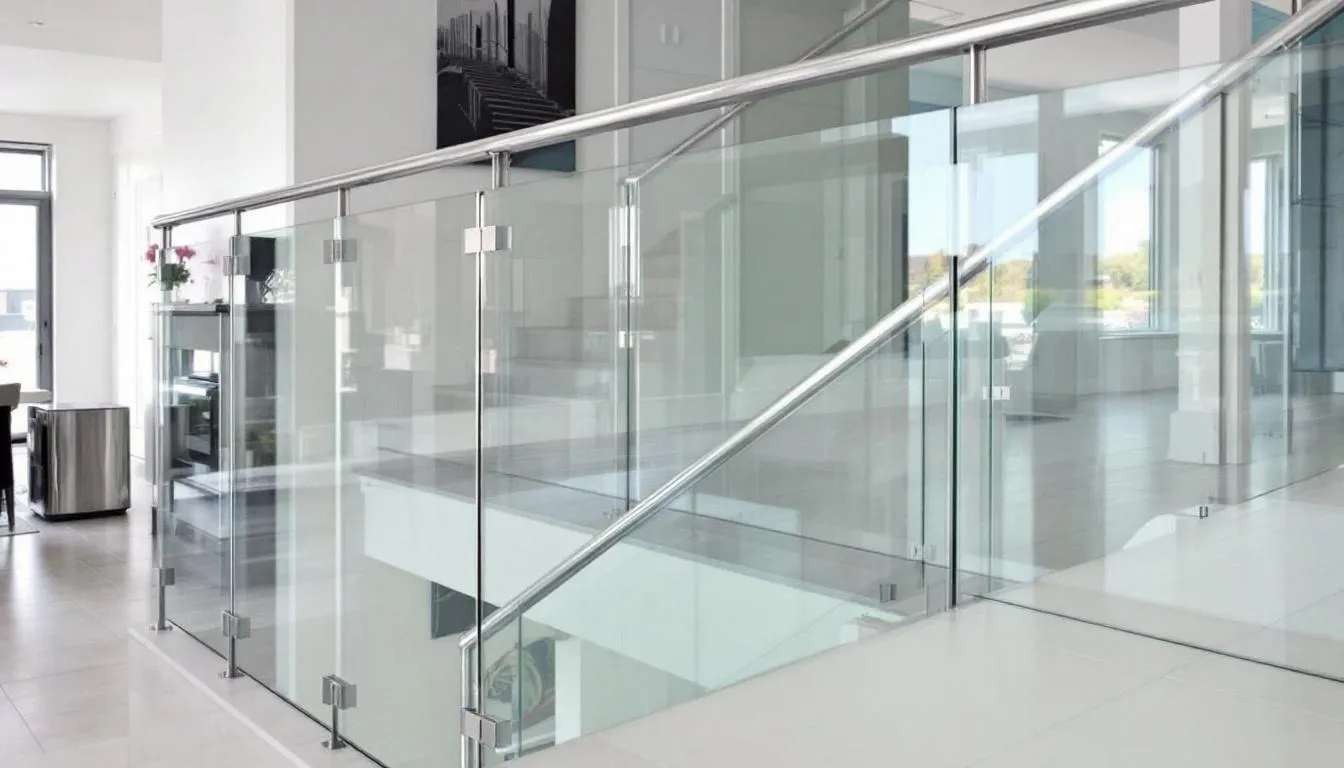
Contemporary design trends favor aluminum’s ability to incorporate transparent panels, vertical cables, and mixed materials. Cable railing systems using stainless steel cables provide unobstructed view while maintaining safety requirements. Glass railing systems eliminate visual barriers entirely, making them ideal for balcony applications and scenic locations. Color tints can be used in glass panels to enhance visual aesthetics and offer additional customization options.
The choice between materials often reflects personal preference and architectural context. Wood suits traditional settings where natural materials and craftsmanship are valued, while aluminum excels in modern, commercial, and high-maintenance environments where performance takes top priority.
Unobstructed Views
One of the standout features of glass railings and cable railings is their ability to provide an unobstructed view, making them a top choice for decks and balconies with scenic surroundings. Glass panels create a seamless barrier that allows you to enjoy panoramic vistas without visual interruption, while stainless steel cables offer a minimalist design that keeps sightlines open. Unlike wood railings, which can block portions of your view with balusters or wood panels, these modern railing materials are designed to maximize visibility and enhance the sense of space.
While glass railings deliver a striking, transparent look, they do require regular cleaning to prevent water stains and smudges from detracting from their clarity. Homeowners should be prepared for some maintenance to keep glass panels looking their best. In contrast, cable railings are virtually maintenance free, with stainless steel cables resisting corrosion and requiring only occasional attention. With proper installation, both glass and cable railings provide not only an unobstructed view but also a safe and secure barrier for your outdoor or indoor space. For those seeking a balance of style, safety, and minimal upkeep, these railing options offer distinct advantages over traditional wood railings.
Environmental Impact and Sustainability
Environmental considerations increasingly influence material selection for construction projects. Wood railings utilize renewable resources, particularly when sourced from sustainably managed forests with proper certifications. However, the environmental impact extends beyond initial harvesting to include transportation, processing, and ongoing maintenance requirements.
Wood maintenance typically involves harsh chemicals including stains, sealers, and preservatives that can leach into surrounding soil and water systems. These treatments raise environmental concerns regarding VOC emissions and long-term ecosystem impact. Additionally, frequent replacement cycles increase resource consumption and waste generation over time.
Aluminum production requires significant energy input during initial manufacturing and mining processes. However, aluminum is fully recyclable with most modern systems containing 50% or more recycled content. The material’s extended lifespan and lack of chemical maintenance requirements reduce overall environmental impact when evaluated over complete lifecycle.
The sustainability equation favors materials with longer service lives and lower maintenance requirements. Aluminum’s 20+ year lifespan with minimal upkeep typically results in lower total environmental impact compared to wood systems requiring regular chemical treatments and periodic replacement.
Additionally, cable railings are considered safer for flying birds than glass railings, as their design minimizes bird collisions and provides a more bird-friendly option.
Safety and Building Code Compliance
Both materials can meet standard building codes requirements when properly designed and installed by qualified professionals. However, long-term safety considerations differ significantly between these options. Wood railings may develop structural weaknesses over time due to rot, weathering, or insect activity that compromise safety even with regular maintenance.
Hidden decay represents a particular concern with wood systems, especially at base connections and horizontal members where moisture accumulates. Even well-maintained wood can develop internal rot that isn’t immediately visible but affects structural integrity. Regular inspection becomes critical to identify potential safety issues before they become dangerous.
Aluminum railings maintain consistent structural integrity throughout their service life without risk of decay, insect damage, or hidden deterioration. The material’s fire resistance provides additional safety benefits, as aluminum won’t burn or contribute to structure fires. This non-combustible property becomes increasingly important in fire-prone regions and high-density developments.
Professional installation ensures both materials meet local building codes and safety requirements. However, aluminum’s consistent performance and resistance to degradation provide greater long-term safety assurance compared to wood’s susceptibility to environmental damage and hidden deterioration.
Best Applications for Each Material
Material selection should align with specific project requirements, environmental conditions, and long-term objectives. Wood railings excel in traditional, rustic, or natural settings where aesthetic warmth and craftsmanship are prioritized. They remain an excellent choice for protected environments, budget-conscious projects, and situations where regular maintenance is feasible and acceptable.
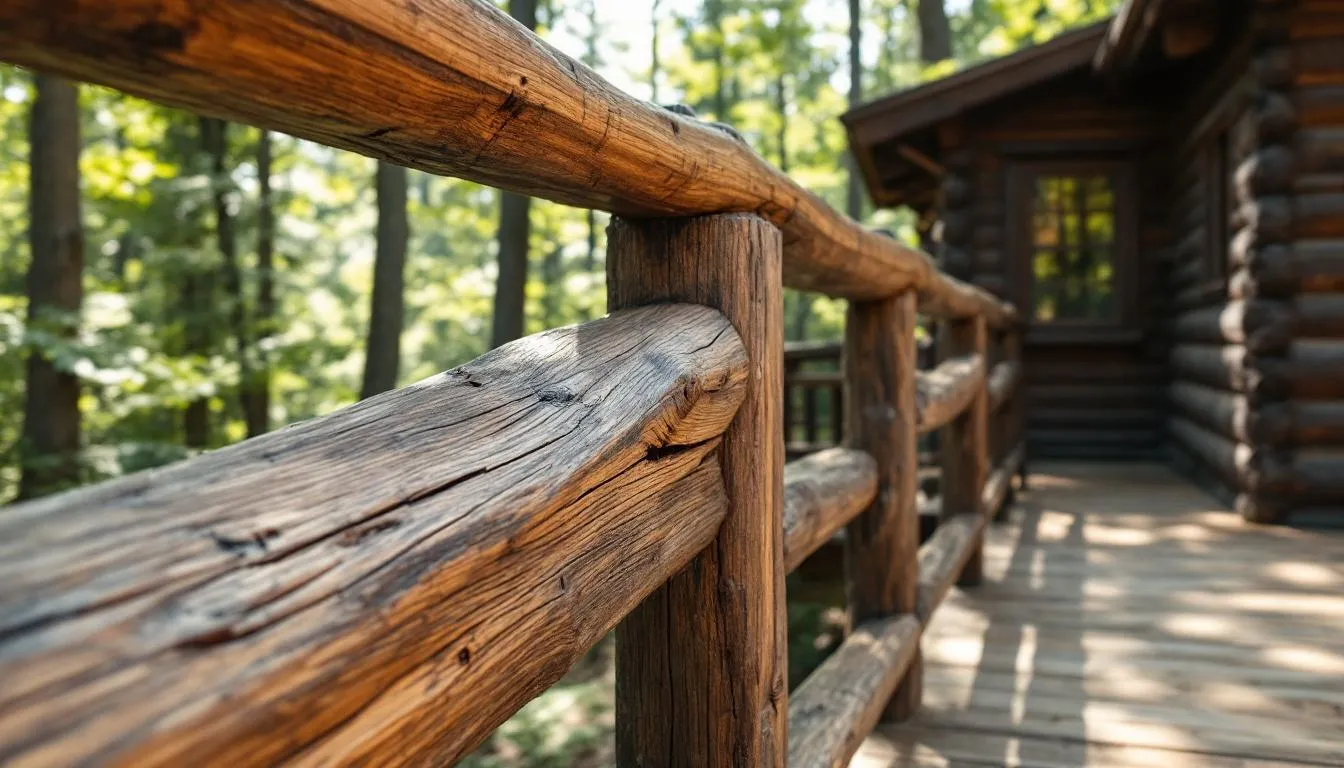
Heritage renovations, cabin settings, and craftsman-style homes particularly benefit from wood’s natural character and customization potential. The material works well in inland locations with moderate climates where environmental stresses are manageable through proper maintenance programs.
Aluminum railings suit modern, contemporary, or high-maintenance environments where performance and longevity take precedence over initial cost. Their corrosion resistance makes them essential for coastal installations, pool decks, and marine environments where salt exposure accelerates wood deterioration.
Commercial applications, multi-family housing, and high-density developments typically favor aluminum’s durability and low maintenance requirements. Property managers and HOAs particularly value the predictable performance and reduced maintenance burden that aluminum systems provide.
The decision ultimately depends on balancing aesthetic preferences, budget constraints, maintenance capabilities, and environmental conditions. Consider your climate, long-term plans, and maintenance preferences when making this crucial factor in your railing project success.
Conclusion
The choice between aluminum vs wood railings requires careful consideration of multiple factors including initial costs, long-term maintenance, durability requirements, and aesthetic preferences. While wood offers lower upfront costs and natural beauty, aluminum provides superior long-term value through minimal maintenance requirements and extended service life.
For homeowners prioritizing immediate budget considerations and traditional aesthetics, wood railings remain a viable option in suitable climates with proper maintenance commitment. However, aluminum emerges as the more economical choice when evaluating total ownership costs over 15-20 years, particularly in harsh weather conditions or high-maintenance environments.
The installation advantages of aluminum systems benefit both professional contractors and DIY enthusiasts through reduced complexity and faster completion times. Combined with virtually maintenance free operation and superior durability, aluminum railings represent the ideal option for most applications despite higher initial investment.
Consider your specific climate conditions, maintenance capabilities, and long-term property plans when selecting between these railing materials. Consult with local contractors to obtain accurate pricing for your specific project requirements and ensure proper installation for optimal performance and safety compliance.
For all your indoor or outdoor railing needs, contact American Railworks. Our team is ready to help you choose the right railing material and provide expert guidance to ensure your project is a success.