Deck Railing Ideas: 25+ Stunning Designs to Transform Your Outdoor Space
Your deck railing doesn’t just keep people safe—it defines your entire outdoor space’s character and functionality. With deck railings always in view, they significantly impact your home’s aesthetic appeal and your family’s enjoyment of outdoor living areas. Whether you’re building a new deck or renovating an existing one, choosing the right railing system involves balancing safety requirements, maintenance expectations, budget constraints, and design preferences.
Modern homeowners seeking to enhance their outdoor space have more deck railing ideas than ever before. From low-maintenance composite systems that resist weathering to sleek glass panels that showcase breathtaking views, today’s railing options prioritize safety while delivering visual interest that complements any architectural style.

Key Takeaways
- Deck railings significantly impact your outdoor space’s aesthetic since they’re always in view
- Composite and aluminum railings offer the best combination of durability and low maintenance
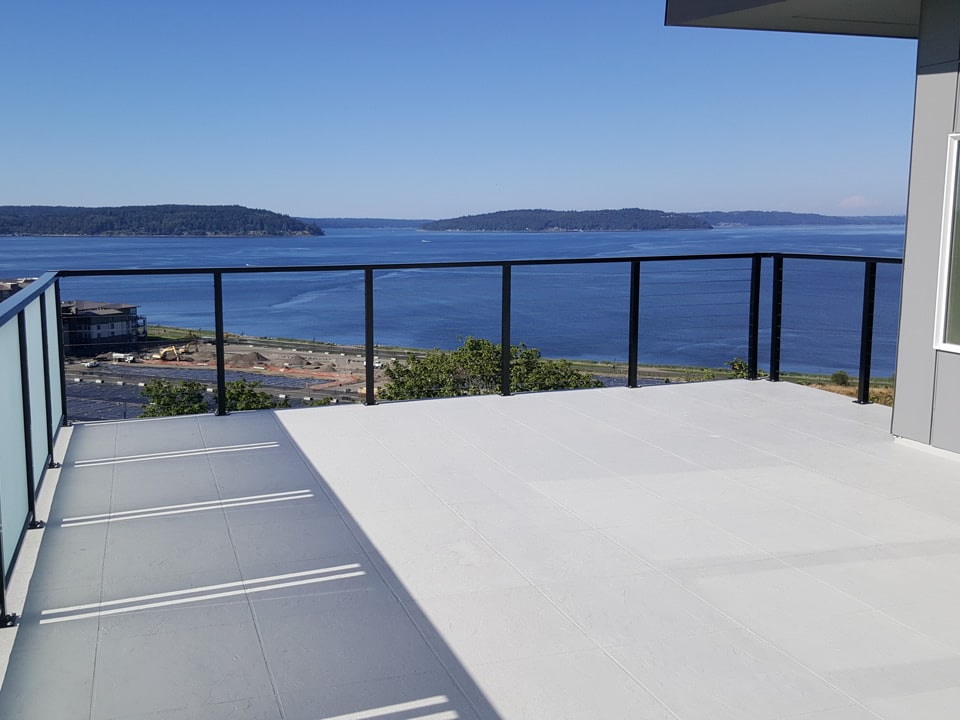
- Glass and cable railings maximize views while providing safety
- Mixed materials create unique, modern looks that enhance any deck style
- Proper lighting integration extends deck usability into evening hours
- Choose railings based on your specific needs: views, maintenance, budget, and safety requirements
Low-Maintenance Composite Railing Ideas
Composite deck railings combine wood fibers with polymeric plastic to create materials that resist rot, warping, splintering, and pest damage. Unlike traditional wood options, these systems eliminate the need for annual staining, painting, or sealing—requiring only soap and water for regular cleaning.
Leading brands like Trex Transcend offer composite railings that emulate wood’s natural texture and grain while providing superior weather resistance. These systems maintain their appearance through UV-protective capping technology that prevents fading, even under intense sun exposure.
Cost-Effective Long-Term Value
While composite railings typically cost more upfront than pressure-treated wood, their total cost of ownership trends lower over a 10-year period. The minimal maintenance requirements and extended lifespans of 25+ years make composites an attractive investment for homeowners seeking durability without ongoing upkeep.
Available finishes span earth tones, deep browns, contemporary grays, and bold blacks perfect for modern design schemes. The customizable profiles accommodate traditional, contemporary, and architecturally unique styles, making composite an versatile choice for any deck design.
Modern Aluminum Railing Designs
Aluminum railings have gained popularity for their sleek profiles and exceptional durability, particularly in harsh climates including coastal areas, high-humidity regions, and locations with freeze-thaw cycles. Unlike steel alternatives, properly treated aluminum resists corrosion and eliminates rust concerns.
Premium aluminum systems utilize powder-coating processes that create permanent, protective finishes available in numerous colors and sheens. This coating resists UV degradation, scratches, and weathering while maintaining its appearance for 20-30 years with minimal maintenance.
Versatile Design Options
The lightweight nature of aluminum enables slender, elegant profiles perfect for minimalist or industrial aesthetics. Popular infill options include:
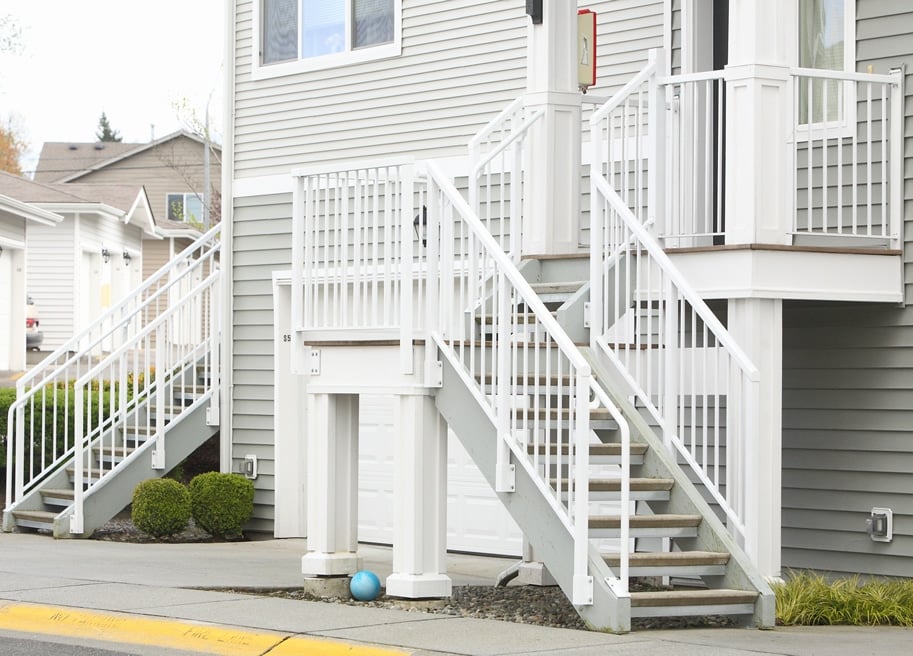
- Vertical or horizontal spindles for classic appeal
- Mesh panels that balance privacy with airflow
- Glass inserts for unobstructed views
- Cable systems for contemporary looks
Rod rail designs featuring horizontal bars create southwestern or modern vibes, while curved aluminum systems add custom architectural focal points.
Glass Panel Railing Solutions
Glass panel railings utilize tempered safety glass—typically ¼ to ½ inch thick—to provide safety barriers without obstructing scenic views. These systems excel on waterfront properties, mountain homes, and rooftop decks where preserving sightlines takes center stage.
Frameless systems use hidden hardware for seamless, uninterrupted appearances, while framed models incorporate aluminum or stainless steel top rail and bottom rail elements for added structural integrity. All glass systems must meet building code requirements for impact resistance and proper installation methods.
Maintenance and Safety Considerations
Glass railings require more frequent cleaning than other materials due to water spots, fingerprints, and weather exposure. However, families with children can add decorative etching or frosted finishes for partial privacy and safety awareness without compromising the overall aesthetic.
While durable under normal conditions, glass panels can crack from severe impacts or extreme weather, requiring professional replacement to maintain code compliance.
Cable Railing Systems
Stainless steel cable railings deliver open sightlines with industrial-modern appeal that’s increasingly popular in contemporary home design. These systems use 1/8” or 3/16” diameter cables spaced to prevent a 4-inch sphere from passing through, meeting child safety requirements.
End posts must withstand cable tension of 300-400 pounds per cable, requiring robust wood or metal construction. Intermediate posts every 3-4 feet reduce deflection and maintain the system’s structural integrity throughout its length.
Installation and Maintenance
DIY-friendly cable railing kits include pre-cut cables, tensioners, and compatible hardware, though some homeowners purchase components individually to reduce costs. Stainless steel requires virtually no maintenance beyond periodic cleaning and annual tension adjustments.
Marine-grade 316 stainless steel is essential for coastal installations to prevent corrosion from salt exposure. System pricing ranges from $60-120 per linear foot, making cable railings a mid-range option that delivers premium aesthetics.
Mixed Material Railing Combinations
Combining composite, aluminum, wood, glass, and stone elements creates highly individualized railing systems suitable for both traditional and contemporary homes. These mixed-material approaches allow homeowners to balance different performance characteristics while achieving unique visual effects.
Popular combinations include:
- Composite posts with aluminum rails for weather resilience and warmth
- Wood and iron combinations for rustic-modern farmhouse appeal
- Glass or cable infills with stone pedestals for luxury aesthetics
- Reclaimed lumber with fabricated metal elements for custom artistry
Design Considerations
Successfully mixing materials requires accounting for different expansion and contraction properties. Combining porous wood with non-porous metals may need specialized hardware to accommodate seasonal movement while maintaining the system’s function and appearance.
Traditional Wood Railing Designs
Wood railings offer unmatched customizability and classic appeal, from turned balusters perfect for Victorian and Colonial homes to horizontal slats ideal for Craftsman-style architecture. Complex geometric patterns like Chippendale designs create architectural interest and period authenticity.
Material Options and Maintenance
Cedar provides natural rot and insect resistance with lifespans of 15-25 years when properly maintained. Redwood offers stability and rich color without initial staining, while pressure-treated pine delivers budget-friendly functionality with higher maintenance requirements.
Regular upkeep schedules directly impact wood longevity:
- Annual cleaning and inspection
- Bi-annual staining or sealing applications
- Periodic baluster replacement as needed
Unmaintained wood systems may require complete replacement every 8-12 years, making long-term maintenance commitments essential for preserving wood railing investments.
Creative and Decorative Railing Ideas
Custom railings incorporate artistic expression and site-specific themes that reflect local culture, personal interests, or architectural heritage. These creative approaches transform functional safety elements into focal points that enhance property value and curb appeal.
Artistic Elements and Custom Features
Popular decorative options include:
- Sunburst and fan patterns cut with jigsaws for Victorian charm
- Custom metalwork featuring local fauna or regional motifs
- Themed designs incorporating hobbies or personal interests
- Geometric cutouts including hearts, stars, and abstract shapes
Integrating planter boxes, benches, or storage directly into railing structures adds utility while creating visual interest, particularly valuable on smaller decks where space efficiency matters. These custom effects increase upfront costs but can significantly boost property values and create unique selling points.
Lighting Integration for Deck Railings
Lighting integration extends deck usability into evening hours while enhancing safety and ambiance. Modern LED technology provides energy-efficient options that complement any railing style and create inviting outdoor environments for entertaining and relaxation.
Lighting Options and Technologies
Effective deck lighting incorporates multiple elements:
Lighting Type | Function | Installation |
|---|---|---|
Post cap lights | Ambient illumination | Simple retrofit |
Riser lights | Stair safety | Professional wiring |
Solar systems | Energy efficiency | No electrical work |
Motion sensors | Security/convenience | Smart home integration |
Smart home compatibility enables color-changing capabilities, programmable timers, and remote control operation. Professional-grade outdoor-rated fixtures ensure longevity and weather resistance, while solar-powered options eliminate wiring requirements in sunny locations.
Safety and Code Compliance
Building codes establish minimum safety standards for deck railings, typically requiring 36-inch heights for residential applications and 42 inches for commercial or multifamily properties. Baluster spacing must prevent 4-inch spheres from passing through to eliminate child entrapment risks.
Structural Requirements
All railing systems must withstand specified loads—often 200 pounds applied at any point—without failure. Stairs require grip-friendly handrails positioned 34-38 inches above step nosings, with returns to walls where applicable for accessibility compliance.
Local codes may vary from national standards, making consultation with municipal inspectors essential before installation. Permits are typically required for new deck construction and significant railing modifications, ensuring proper oversight and safety compliance.
Budget-Friendly Railing Options
Cost-conscious homeowners can achieve attractive, functional railings through strategic material choices and installation approaches. DIY timber frames using standard dimensional lumber and spacing blocks create traditional appearances at reduced costs.
Maintenance and Longevity Considerations
Different railing materials demand varying maintenance commitments that significantly impact long-term costs and satisfaction. Understanding these requirements helps homeowners make informed decisions based on their available time and resources.
Material-Specific Requirements
Material | Maintenance Frequency | Expected Lifespan |
|---|---|---|
Wood | Annual cleaning, bi-annual finish | 8-25 years |
Composite | Annual soap/water wash | 25+ years |
Aluminum | Occasional wipe-down | 20-30 years |
Glass | Regular cleaning like windows | 20+ years |
Cable | Tension checks every 6-12 months | 20+ years |
Climate considerations significantly impact material performance. Aluminum and composite excel in humid, freeze-thaw, or high-salt environments, while wood performs best in dry, temperate zones with consistent maintenance. Leading manufacturers offer warranties ranging from 20 years to limited lifetime coverage on premium systems.
Installation Tips and Professional vs. DIY
Most homeowners can successfully install traditional wood or kit-based aluminum and composite railings using basic tools including drills, saws, levels, and tape measures. These systems often include detailed instructions and pre-engineered components that simplify the installation process.
When to Hire Professionals
Cable and glass railings demand greater technical precision, requiring accurate drilling, proper tensioning, and adherence to safety standards. Professional installation ensures structural integrity and code compliance while providing warranty protection for complex systems.
Common DIY mistakes include:
- Over-tightening cables causing post deflection
- Inadequate post anchoring for long-term stability
- Failure to follow local building code requirements
- Improper spacing that creates safety hazards
Post setting using concrete footings or specialized anchors provides the foundation for long-term railing stability and should be executed carefully regardless of the chosen railing material.
Frequently Asked Questions
What is the most durable deck railing material? Aluminum and composite railings offer the best combination of longevity and minimal maintenance, with lifespans exceeding 25 years when properly installed.
Can I install deck railings myself or do I need a contractor? Wood, basic aluminum, and composite systems are suitable for DIY installation. Cable and glass railings typically require professional installation for safety and code compliance.
What railing height is required by building codes? Residential decks typically require 36-inch railings, while commercial and multifamily applications often mandate 42-inch heights. Always verify local requirements.
How do I maintain different types of deck railings? Wood requires annual cleaning and bi-annual refinishing. Composite, aluminum, and cable systems need only periodic cleaning, while glass requires regular washing to maintain clarity.
Which railing style works best for small decks? Glass and cable railings maximize visual openness, while slender aluminum profiles minimize bulk. These options help small spaces feel larger and more open.
Are glass railings safe for families with children? Yes, when properly installed with tempered safety glass meeting building codes. Frosted or etched designs can increase visibility and awareness for added safety.
How often do cable railings need tension adjustments? Initial installation plus every 6-12 months, or after major temperature changes. Proper tensioning maintains safety and prevents sagging over time.
The right deck railing ideas transform functional safety features into design statements that enhance your outdoor living experience. Whether you prioritize minimal maintenance with composite systems, maximize views with glass panels, or create custom artistic expressions with mixed materials, your choice should align with your specific needs for safety, aesthetics, and long-term value. Consider your local climate, maintenance preferences, and budget alongside building code requirements to select the railing system that will serve your family for decades to come.