Best Outdoor Railing Material: Complete Guide to Choosing the Perfect Option
Selecting the best outdoor railing material is one of the most critical decisions you’ll make for your deck or porch project. With railings expected to last 20-50+ years while providing safety, style, and weather protection, choosing the wrong material can lead to costly replacements, endless maintenance, and disappointing aesthetics.
Many homeowners face decision paralysis when confronted with material options ranging from budget-friendly vinyl to premium glass systems. Each material offers distinct advantages in durability, maintenance requirements, cost, and aesthetic preferences. The key is understanding how different materials perform in your specific climate, match your home’s style, and align with your long-term maintenance willingness.
This comprehensive guide examines every major outdoor railing material available in 2025, comparing their performance, costs, installation requirements, and suitability for different situations. Whether you’re building a new deck or replacing aging railings, you’ll discover which material delivers the best value for your specific needs.
Key Takeaways
- Aluminum railings offer the best balance of durability, low maintenance, and modern style with 50+ year lifespan
- Vinyl railings are the most budget-friendly option with lifetime warranties and minimal upkeep requirements
- Composite railings provide wood like appearance without the maintenance hassles of natural wood
- Glass railings maximize views but require frequent cleaning and higher upfront costs
- Wood railings offer classic beauty but need regular staining, sealing, and pest protection
- Consider local climate, building codes, maintenance preferences, and home style when choosing materials
Top Outdoor Railing Materials Compared
The outdoor railing market in 2024 offers six primary material options, each engineered for specific performance needs around durability, aesthetics, maintenance, and cost. Understanding how these materials stack up across key factors helps narrow your selection before diving into detailed comparisons.
Material | Lifespan | Maintenance | Key Benefits | Install Complexity |
|---|---|---|---|---|
Aluminum | 20+ years | Soap/water clean | Corrosion-resistant, modern look | Moderate |
Vinyl | 20+ year warranty | Soap/water clean | Low cost, low maintenance, UV resistant | Moderate |
Composite | Up to 30 years | Soap/water only | Wood look, rot/mold resistant | Moderate |
Glass | 10–25 years | Frequent cleaning | Open views, premium style | Complex/professional |
Wood (Cedar, etc) | 20–30 years | Stain/seal annually | Natural look, customizable | DIY-friendly |
Metal (Cable, etc.) | 15+ years | Minimal | Strength, modern style | Professional advised |
Material choice directly impacts three critical areas: safety (load-bearing capacity, child and pet protection), aesthetics (visual profile, customization options), and long-term investment (replacement frequency, property value impact). The best material for your outdoor space depends on matching these factors to your climate conditions, local building codes, architectural style, and maintenance preferences.
Aluminum Railings: The Premium Low-Maintenance Choice
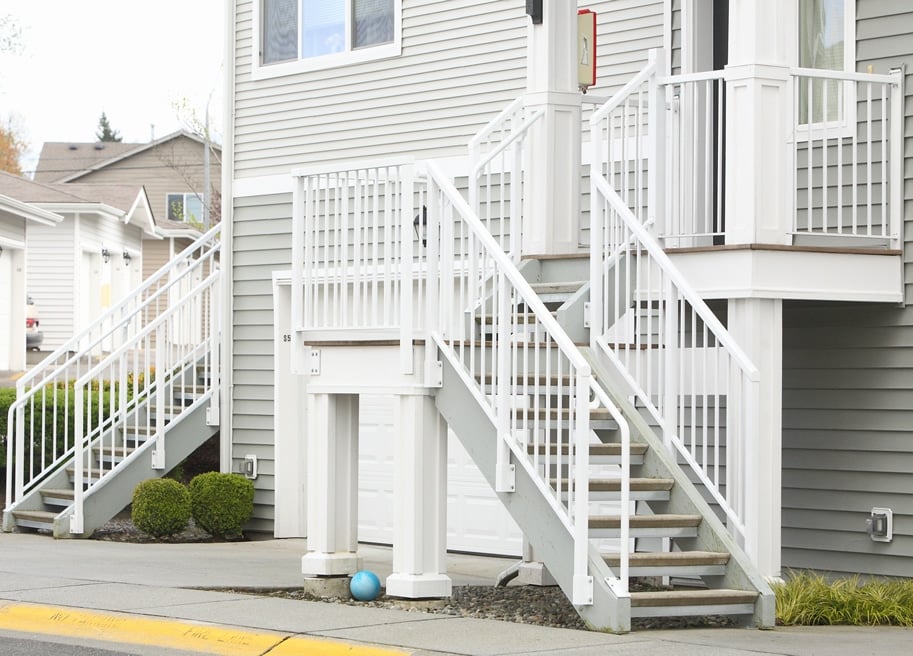
Aluminum railing systems represent the premium standard for deck railings, offering an exceptional balance of durability, aesthetics, and minimal maintenance requirements. This lightweight yet highly durable metal naturally resists corrosion through its protective oxide layer, but manufacturers typically add powder coating for enhanced weatherability and expanded color options.
The longevity of aluminum railings is unmatched among metal options, with properly finished systems lasting 50+ years in most environments. Unlike steel railings, aluminum never rusts, though coastal installations may require marine-grade coatings to prevent pitting from salt exposure. This rust resistant quality makes aluminum ideal for harsh weather conditions where other materials would deteriorate rapidly.
From a maintenance perspective, aluminum railings require only periodic cleaning with soap and water to remove dust and debris. The material resists fading, chalking, and weathering that plague painted surfaces, maintaining its appearance for decades without refinishing. Many manufacturers now offer powder-coat finishes with warranties extending 20+ years, providing long-term peace of mind.
Aluminum’s sustainability credentials add appeal for environmentally conscious homeowners. The material is 100% recyclable with significant energy savings compared to virgin production, supporting green building goals. While the upfront cost exceeds vinyl or basic wood options, the combination of minimal maintenance, exceptional durability, and consistent aesthetics delivers superior long-term value.
Style-wise, aluminum railings accommodate both traditional and modern look preferences through extensive color selections and profile designs. Contemporary homes benefit from sleek, minimalist designs, while traditional houses can incorporate more ornate balusters and decorative elements. The material’s versatility makes it suitable for any architectural style.
Vinyl Railings: Budget-Friendly and Reliable
Vinyl railings, manufactured from polyvinyl chloride (PVC), dominate the budget-conscious segment of the railing market while delivering impressive performance and longevity. These systems typically incorporate internal aluminum or galvanized steel reinforcement for structural integrity, combining affordability with engineering reliability.
The cost effective nature of vinyl makes it accessible to most homeowners, with pricing significantly below aluminum or composite alternatives. However, the value proposition extends beyond initial savings. Quality vinyl railing manufacturers now offer limited or lifetime warranties on their products, effectively eliminating replacement costs for decades.
Maintenance requirements for vinyl railings are minimal, consisting primarily of periodic washing with soap and water. Unlike wood railings that require annual staining and sealing, vinyl never needs painting or refinishing. The material intrinsically resists insects, rot, and moisture damage that can compromise other materials over time.
UV stabilization in modern vinyl formulations prevents the yellowing and brittleness that plagued earlier products. Impact testing ensures the material withstands normal use and weather exposure without cracking. These improvements have made vinyl a highly durable choice that maintains its appearance throughout its lifespan.
Design limitations represent vinyl’s primary drawback compared to other materials. Color selections typically focus on whites and neutral tones, though manufacturers have expanded options in recent years. The material works particularly well for traditional and colonial home styles where white or cream railings complement the architecture.
Installation of vinyl railing systems is generally DIY-friendly, with modular components designed for field assembly. The lightweight nature simplifies handling, while integrated mounting hardware streamlines the process. For homeowners seeking maximum value with minimal ongoing commitment, vinyl represents an excellent choice.
Composite Railings: Wood Look Without the Hassle
Composite railings bridge the gap between natural wood aesthetics and modern material performance through engineered blends of wood fibers and recycled plastics. This combination delivers authentic wood appearance while eliminating the maintenance burdens and durability limitations of natural timber.
The manufacturing process typically involves wood fibers mixed with high-density polyethylene (HDPE) or polypropylene, then extruded or molded into railing profiles. Advanced composite systems feature protective capping layers that enhance fade resistance and provide consistent coloration throughout the material’s lifespan.
Maintenance requirements for composite railings are remarkably low, requiring only occasional cleaning with soap and water. Unlike wood railing that demands annual staining, sealing, and pest treatments, composite materials resist splitting, rotting, and insect damage inherently. This resistance extends the lifespan to 25-30 years with manufacturer warranties backing performance claims.
The aesthetic advantages of composite make it particularly appealing for homeowners who love wood’s natural appearance but want to avoid ongoing maintenance. Modern composite products offer realistic wood grain textures and rich color palettes that closely mimic cedar, redwood, and other premium woods. The material accepts stain initially if desired, though this isn’t necessary for protection.
Durability testing shows composite railings outperform natural wood in fade resistance, moisture protection, and structural stability. The material won’t warp, crack, or splinter like wood, maintaining safety and appearance throughout its service life. This makes composite an excellent choice for families with children and pets who use the outdoor space frequently.
Cost positioning places composite between vinyl and aluminum options, making it accessible while providing premium aesthetics. The long-term value proposition is strong, as the material eliminates ongoing maintenance costs associated with wood while delivering comparable visual appeal.
Glass Railings: Modern Elegance with Unobstructed Views
Glass railing systems represent the premium end of outdoor railing materials, prioritizing unobstructed views and contemporary aesthetics over cost considerations. These systems utilize tempered or laminated safety glass panels within aluminum, stainless steel, or composite framing to create sophisticated, modern installations.
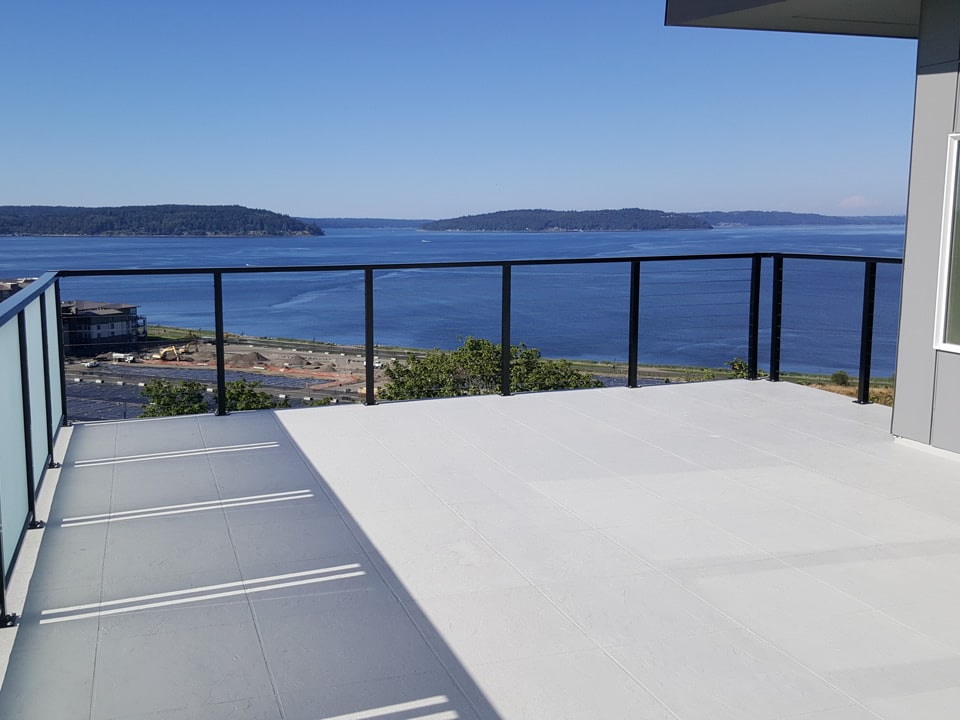
The primary advantage of glass railings lies in their transparency, preserving scenic views that solid materials would block. This makes glass ideal for homes with dramatic landscapes, waterfront properties, or elevated decks where maintaining sight lines is crucial. The material creates an open, spacious feeling that enhances outdoor entertaining areas.
Safety standards require glass railings to use tempered or laminated glass meeting specific impact resistance requirements. Typical installations feature 1/4” or 3/8” thick panels with polished edges and slip-resistant surfaces. These specifications ensure the glass can handle normal use while meeting building code requirements for residential applications.
Maintenance represents the primary challenge with glass railing systems. Dust, water spots, and fingerprints are highly visible on glass surfaces, requiring frequent cleaning to maintain appearance. This ongoing commitment to cleaning makes glass less suitable for homeowners seeking low maintenance solutions.
Installation complexity requires professional expertise due to the weight of glass panels and precise mounting requirements. Structural support must be adequate for the additional load, and proper installation is critical for safety and warranty compliance. This professional requirement adds to the overall project cost.
Glass railings work exceptionally well in modern and contemporary home designs where clean lines and minimal visual obstruction align with architectural goals. The material’s premium positioning makes it popular for luxury homes and high-end renovations where cost is secondary to aesthetic impact.
Wood Railings: Classic Beauty with Regular Upkeep
Wood railings remain a timeless choice for homeowners seeking natural beauty, unlimited customization options, and traditional aesthetics. Cedar, redwood, and pressure-treated pine represent the most common species, each offering distinct characteristics in terms of natural durability, appearance, and cost.
Cedar railings provide natural rot and insect resistance along with attractive grain patterns and warm coloration. Redwood offers similar benefits with distinctive reddish hues that many homeowners find appealing. Pressure-treated pine delivers the most cost effective option while requiring additional protection against moisture and pests.
The customization possibilities with wood railings are virtually unlimited. Homeowners can achieve any color through staining or painting, modify profiles through custom milling, and incorporate decorative elements like turned balusters or carved post caps. This flexibility makes wood suitable for any architectural style from rustic to formal.
However, wood railings demand the highest maintenance commitment among all material options. Annual staining or sealing is essential to protect against UV damage, moisture penetration, and insect infestation. Even with diligent care, wood railings typically require replacement every 10-20 years depending on climate exposure and maintenance quality.
The natural characteristics that make wood appealing also create vulnerabilities. UV exposure causes fading and surface degradation, moisture leads to rot and warping, and insects can damage structural integrity. End-grain areas are particularly susceptible to moisture penetration, making proper sealing critical.
Despite maintenance requirements, wood railings offer several advantages that keep them popular. The material is readily available, relatively inexpensive initially, and completely repairable if damage occurs. For homeowners who enjoy regular maintenance projects or want unlimited design flexibility, wood remains an excellent choice.
Metal Railings: Strength and Style Options
Metal railing options encompass wrought iron railings, steel railings, and cable systems, each offering distinct advantages in strength, aesthetics, and maintenance requirements. These materials provide maximum structural integrity while supporting various design preferences from ornate traditional to sleek contemporary.
Wrought iron railings epitomize traditional elegance with their ability to incorporate intricate ornamental details and custom designs. The material’s malleability allows blacksmiths to create unique artistic elements that become focal points for the outdoor space. However, wrought iron requires regular maintenance including sanding and painting to prevent rust, particularly at welded joints where moisture can penetrate.
Steel railings offer superior strength and durability when properly finished with powder coating or galvanization. Modern steel systems rival aluminum’s weather resistance while providing greater structural capacity for heavy loads or extreme weather conditions. The material works well for both residential and commercial applications where strength is paramount.
Cable railings represent the modern end of metal options, utilizing high-tension stainless steel cables between posts to create minimal visual obstruction. These systems appeal to homeowners seeking contemporary aesthetics with maximum view preservation. Installation requires precision tensioning and secure post anchoring, typically spaced every 4 feet for optimal performance.
Stainless steel railings, particularly marine-grade 316 stainless, provide the ultimate in corrosion resistance for coastal environments. While expensive and challenging to work with, stainless steel virtually eliminates rust concerns even in salt-air conditions that would compromise other metals.
Wrought Iron vs Steel vs Cable Railings
Wrought iron delivers maximum ornamental possibilities but requires the most maintenance, needing regular rust prevention and repainting. The material’s weight and complexity make installation labor-intensive and expensive.
Steel railings provide exceptional strength with moderate maintenance when properly coated. Powder-coated steel resists weathering well while offering more design flexibility than aluminum at comparable cost levels.
Cable railings minimize visual impact while maintaining safety standards, but installation complexity and tensioning requirements typically necessitate professional installation. The modern aesthetic appeals to contemporary home designs but may not suit traditional architectural styles.
Factors to Consider When Choosing Outdoor Railing Materials
Selecting the best material for your deck railing project requires evaluating multiple factors that affect both immediate satisfaction and long-term performance. Climate conditions, building codes, maintenance preferences, and aesthetic goals all influence which material will deliver optimal results for your specific situation.
Local climate represents perhaps the most critical factor in material selection. Coastal environments demand rust resistant materials like aluminum with marine-grade finishes or stainless steel to withstand salt air corrosion. Cold climates require materials that handle freeze-thaw cycling without cracking or loosening, making aluminum and vinyl preferred over materials prone to thermal movement.
Hot climates necessitate UV-stable materials that won’t fade, crack, or become uncomfortably hot to touch. Composite railings and powder-coated aluminum excel in these conditions, while vinyl may become brittle and wood requires frequent refinishing. Wet climates favor materials resistant to rot, mold, and moisture penetration, eliminating untreated wood and requiring careful attention to drainage around all installations.
Building codes establish minimum safety requirements that vary by location but typically mandate railing heights between 36-42 inches with maximum spacing between balusters to prevent child entrapment. Some jurisdictions have specific requirements for materials, wind loads, or seismic considerations that may eliminate certain options or require structural modifications.
Climate Considerations
Coastal areas face the harshest conditions for most railing materials due to salt air that accelerates corrosion. Marine-grade aluminum coatings, stainless steel, and vinyl perform best, while untreated metals and some wood species deteriorate rapidly. Wind resistance becomes crucial for elevated installations.
Cold climates subject railings to freeze-thaw cycles that can crack brittle materials and loosen fasteners. Aluminum and vinyl handle temperature fluctuations well, while composite materials may become more brittle. Snow loads require adequate structural support regardless of material choice.
Hot climates accelerate UV degradation and thermal expansion, making UV-stabilized materials essential. Light-colored materials reduce heat absorption, while dark colors may become uncomfortable to touch. Proper ventilation around railings helps prevent heat buildup.
Wet climates promote mold, mildew, and rot in susceptible materials. Drainage design becomes critical to prevent water accumulation, and materials must resist moisture penetration to maintain structural integrity and appearance.
Maintenance Requirements Comparison
Understanding the ongoing maintenance commitment for each material helps ensure your choice aligns with your lifestyle and preferences. Maintenance requirements vary dramatically between material types and directly impact long-term satisfaction and costs.
Low maintenance materials like aluminum, vinyl, and composite require only periodic cleaning with soap and water. These materials resist fading, rot, and insect damage without protective treatments, making them ideal for homeowners seeking minimal ongoing commitment.
Medium maintenance materials include glass railings that need frequent cleaning to maintain appearance and cable systems that require periodic tension adjustments. While not demanding like wood, these materials need regular attention to perform optimally.
High maintenance materials like wood and wrought iron demand annual treatments including staining, sealing, or painting. Failure to maintain these materials properly results in rapid deterioration and potential safety issues, making them suitable only for homeowners committed to regular upkeep.
Long-term cost analysis should include both material and labor expenses for maintenance over a 20-year period. While wood may cost less initially, the cumulative expense of stains, sealers, and labor often exceeds the total cost of premium low-maintenance materials.
Installation and Professional Considerations
Installation complexity varies significantly between railing materials and directly affects project timelines, costs, and the feasibility of DIY completion. Understanding these requirements helps budget appropriately and determine whether professional installation is necessary for your chosen material.
DIY installation is most practical with vinyl and modular aluminum systems designed for homeowner assembly. These materials typically feature pre-engineered connections, detailed instructions, and lightweight components that facilitate field installation. Wood railings also accommodate DIY installation due to familiar construction techniques and readily available tools.
Professional installation becomes advisable or mandatory for glass railings, complex cable systems, and custom metal work. These materials require specialized tools, precise measurements, and expertise in structural requirements that exceed typical homeowner capabilities. Professional installation also ensures warranty compliance and building code adherence.
Structural support requirements vary by material weight and wind exposure. Glass and heavy metal railings may require additional framing or foundation work, while lightweight materials like vinyl and aluminum typically use existing deck structures. Post spacing and anchoring methods must accommodate material-specific load requirements.
Local permit requirements and inspection processes often apply to railing installations, particularly for elevated decks or structural modifications. Professional installers typically handle permit applications and understand local code requirements, simplifying the approval process and ensuring compliance.
Quality hardware selection impacts both safety and longevity regardless of material choice. Stainless steel fasteners resist corrosion better than standard hardware, while proper flashing and sealants prevent water infiltration that can compromise structural integrity. Skimping on hardware quality often leads to premature failure and safety issues.
Installation timelines range from days for simple vinyl or aluminum systems to weeks for complex glass or custom metal installations. Weather conditions, site accessibility, and material availability also affect project duration. Planning for realistic timelines prevents frustration and ensures quality installation.
Cost Analysis and Value Comparison
Understanding the total cost of ownership for different railing materials requires analyzing upfront costs, installation expenses, ongoing maintenance, and eventual replacement needs over a 20-30 year period. This comprehensive approach reveals which materials provide the best long-term value despite higher initial investments.
Installation costs vary by material complexity and local labor rates. DIY-friendly materials like vinyl and wood minimize labor expenses, while professional installation for glass or cable systems can double or triple total project costs. Regional variations in contractor availability and expertise also affect pricing.
Long-term maintenance expenses dramatically alter total ownership costs over time. Wood railings requiring annual staining at $2-5 per linear foot quickly accumulate costs that can exceed premium material investments. Conversely, aluminum and vinyl railings maintain their appearance with minimal expense for decades.
Replacement frequency represents another critical cost factor. Materials lasting 50+ years like aluminum and vinyl provide value through longevity, while wood railings may require replacement every 10-20 years depending on maintenance quality and climate exposure. Factoring replacement costs often makes premium materials more economical long-term.
Property value impact varies by material choice and local market preferences. Premium materials like aluminum and glass can enhance home value and appeal, particularly in luxury markets where quality is expected. Budget materials may not provide the same return on investment but still improve safety and functionality.
Return on investment (ROI) for deck railing projects typically ranges from 70-80% in competitive real estate markets. Premium materials in high-end neighborhoods often exceed this average, while basic materials in modest markets may return less. Local real estate professionals can provide market-specific guidance.
FAQ
What is the most durable outdoor railing material? Marine-grade stainless steel offers maximum durability, followed closely by powder-coated aluminum. Both materials can exceed 50-year lifespans in most environments, with aluminum providing better cost-effectiveness for residential applications.
Which railing material requires the least maintenance? Vinyl and powder-coated aluminum require only occasional cleaning with soap and water. These materials need no painting, staining, or sealing throughout their lifespan, making them ideal for homeowners seeking minimal maintenance commitment.
What’s the best outdoor railing for coastal areas? Aluminum with marine-grade powder coating performs best in coastal environments, resisting salt air corrosion that damages other metals. Vinyl also performs well near water, while wood and untreated metals deteriorate rapidly in salt air.
How long do different railing materials last? Aluminum and vinyl railings typically last 50+ years, composite materials provide 25-30 year lifespans, and wood railings last 10-20 years with proper maintenance. Glass systems last 10-25 years depending on climate exposure and care.
What’s the most cost-effective outdoor railing material? Vinyl offers the best upfront value per linear foot with minimal maintenance costs. Aluminum provides the best long-term value when factoring in maintenance and replacement expenses over 20+ years.
Do glass railings break easily? Tempered glass railings are extremely strong and designed to meet safety codes. While breakage can occur in severe weather or high-impact situations, properly installed glass railings are very safe for normal residential use.
Can I install outdoor railings myself? Vinyl and modular aluminum systems are DIY-friendly for homeowners with basic construction skills. Glass, cable, and complex metal railings typically require professional installation for safety and warranty compliance.
What railing height is required by building codes? Most jurisdictions require 36-42 inch railing heights for residential decks, with specific requirements for baluster spacing and structural loads. Always verify local codes before beginning your project, as requirements vary by location.
Choosing the best outdoor railing material ultimately depends on balancing your priorities for durability, maintenance, cost, and aesthetics with your specific climate and home style. While no single material excels in every category, understanding these tradeoffs ensures you’ll select railings that provide years of safe, attractive performance for your outdoor space.