Stairs Railing Design: Modern Ideas and Materials for 2025
Your staircase railing isn’t just a safety feature—it’s an architectural statement piece that can transform your entire space. Modern stair railings have evolved far beyond basic wooden balusters to become sophisticated design elements that seamlessly integrate with contemporary home aesthetics while maintaining essential safety functions.
In 2025, stairs railing design prioritizes clean lines, transparency, and innovative material combinations that enhance natural light flow throughout your home. Whether you’re renovating an existing staircase or planning new construction, the right staircase railing can elevate your home’s architecture and create an inviting atmosphere that reflects your personal style.
Key Takeaways
- Modern stair railings combine safety with style, transforming staircases into architectural focal points
- Popular materials include glass, metal, wood, and mixed materials like steel with wooden handrails
- Glass railings maximize natural light flow and create open, airy spaces while maintaining safety
- Cable railings and horizontal designs emphasize clean, contemporary lines
- Customizable railing kits simplify DIY installation while maintaining professional quality
- Building codes and safety standards must be considered alongside aesthetic preferences
Popular Stair Railing Materials for 2025
The foundation of exceptional stair design lies in selecting materials that balance form and function. Today’s railing system options offer unprecedented versatility, allowing homeowners to create spaces that showcase both safety and modernity.
Glass Stair Railings
Glass railings represent the pinnacle of modern aesthetic design, offering unobstructed views that allow natural light to flow freely through your space. These systems utilize tempered safety glass that’s four to five times stronger than standard glass, with residential installations typically using 10mm to 19mm thickness.
The transparency of glass railings creates an illusion of larger spaces while maintaining essential safety barriers. Hardware options range from minimal spigot mounts to completely frameless systems that maximize the “floating” effect. When properly installed with stainless steel or aluminum brackets, glass railings meet all building code requirements while adding significant value to your home.
Pros:
- Maximum light transmission and open feel
- Complements any design style
- Low visual impact enhances architectural features
- Increases perceived space size
Cons:
- Requires frequent cleaning to maintain clarity
- Professional installation recommended
- Can show fingerprints and water spots
Metal Stair Railings
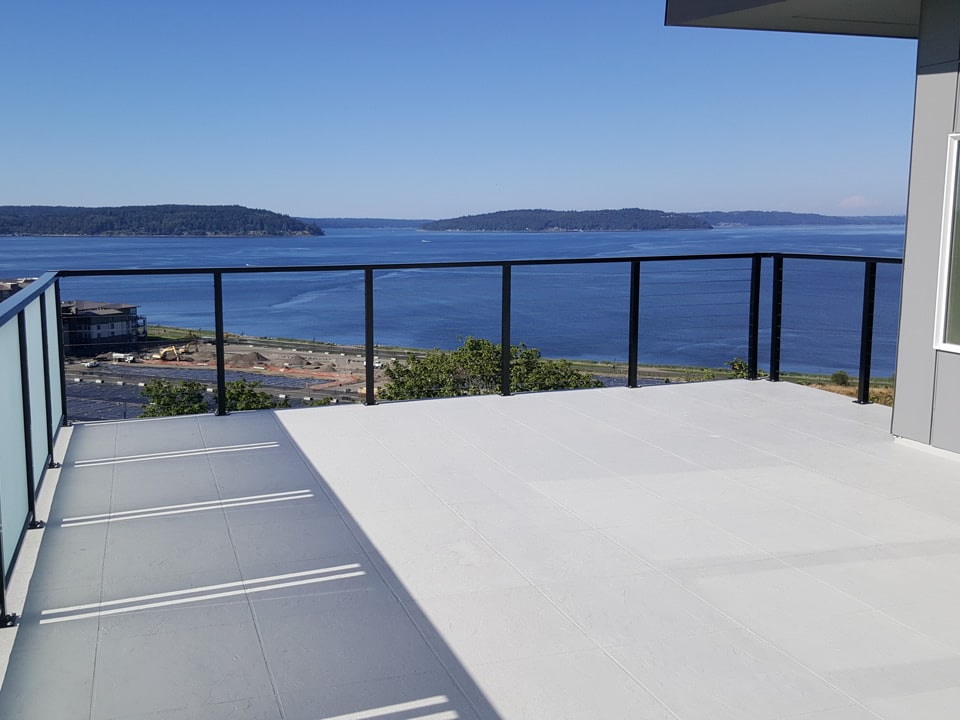
Metal railings offer exceptional design flexibility and durability, with options ranging from sleek stainless steel to decorative wrought iron. Stainless steel provides the ultimate modern twist with its clean lines and minimal maintenance requirements, while aluminum offers similar aesthetics at a more accessible price point.
Contemporary metal designs often incorporate cable systems or thin rod elements that create horizontal lines of sight, emphasizing the modern stair aesthetic. Powder coating finishes in matte black, white, or custom colors allow metal railings to match any interior palette while providing superior protection against wear and corrosion.
Industrial style combinations of exposed steel with light wood handrail elements create compelling contrasts that enhance the overall look of contemporary spaces. These mixed-material approaches allow you to opt for the structural benefits of metal while maintaining the warmth and tactile comfort of natural wood.
Wood Railings: Traditional Warmth Meets Modern Design
Wood remains an essential choice for those seeking warmth and natural beauty in their stair railing design. Hardwoods like oak, maple, and cherry provide exceptional strength and showcase beautiful grain patterns, while engineered options offer enhanced stability and resistance to environmental changes.
Modern wood railings have evolved beyond traditional turned balusters to embrace clean, geometric forms that complement contemporary architecture. Simple squared profiles, minimal detailing, and strategic combinations with glass or metal elements prevent wooden railings from appearing dated while preserving their inviting character.
The versatility of wood allows for various finishes—from natural stains that emphasize grain patterns to painted surfaces that create bold design statements. Proper maintenance, including periodic refinishing and sealing, ensures wooden railings maintain their beauty and structural integrity for decades.
Modern Design Styles and Trends
Contemporary stairs railing design emphasizes simplicity, efficiency, and the seamless integration of safety features with architectural elements. The most significant trend involves creating railings that enhance rather than obstruct the flow of light and sight lines throughout your home.
Minimalist and Floating Staircase Designs
Floating staircases paired with minimal railings create dramatic focal points that emphasize the stair structure itself. These designs often utilize thin metal rods, nearly invisible cable systems, or frameless glass panels that provide essential safety while maintaining the illusion of weightlessness.
The key to successful minimalist design lies in precision—every element must be perfectly proportioned and flawlessly executed. This approach transforms your staircase into art while ensuring optimal function and safety compliance.
Cable and Horizontal Railings
Cable railing systems represent innovation in both form and function, using thin stainless steel cables to create horizontal barriers that virtually disappear from view. These systems require careful tensioning and periodic maintenance but offer unparalleled views and contemporary appeal.
Horizontal metal rod systems provide similar aesthetic benefits with reduced maintenance requirements. These railings emphasize the linear nature of modern design while creating strong visual connections between different levels of your home.
Installation Considerations:
- Proper cable tensioning prevents sagging
- Marine-grade stainless steel for outdoor applications
- Regular inspection and adjustment needed
- Professional installation ensures code compliance
Industrial and Mixed Material Combinations
The industrial aesthetic combines raw metal elements with warm wood accents to create spaces that feel both modern and inviting. Exposed steel posts supporting light wood handrails exemplify this approach, showcasing honest materials and emphasizing structural elements as design features.
Two-tone finishes add visual interest while allowing railings to complement multiple design elements within your space. Popular combinations include matte black metal with natural wood, brushed stainless steel with white-painted accents, or powder-coated aluminum with rich walnut handrails.
Traditional and Classic Railing Designs
While modern aesthetics dominate current trends, traditional railing styles continue to enhance homes with classical architecture. These designs emphasize craftsmanship, proportion, and decorative details that create timeless appeal.
Victorian and Colonial Influences
Victorian railings showcase intricate woodwork, ornate newel posts, and decorative balusters that reflect the era’s emphasis on craftsmanship and detail. These designs work best in homes with period architecture or spaces where historical authenticity is desired.
Colonial styles favor clean proportions, square or turned wooden balusters, and simple handrail profiles that emphasize functionality over ornamentation. These designs can be updated with contemporary paint colors or finishes while maintaining their essential character.
Craftsman and Farmhouse Styles
Craftsman railings highlight natural wood grain through rich stains and minimal finishing, often featuring substantial square balusters and thick handrails that emphasize the material’s inherent beauty. This style values honest construction and natural materials over decorative flourishes.
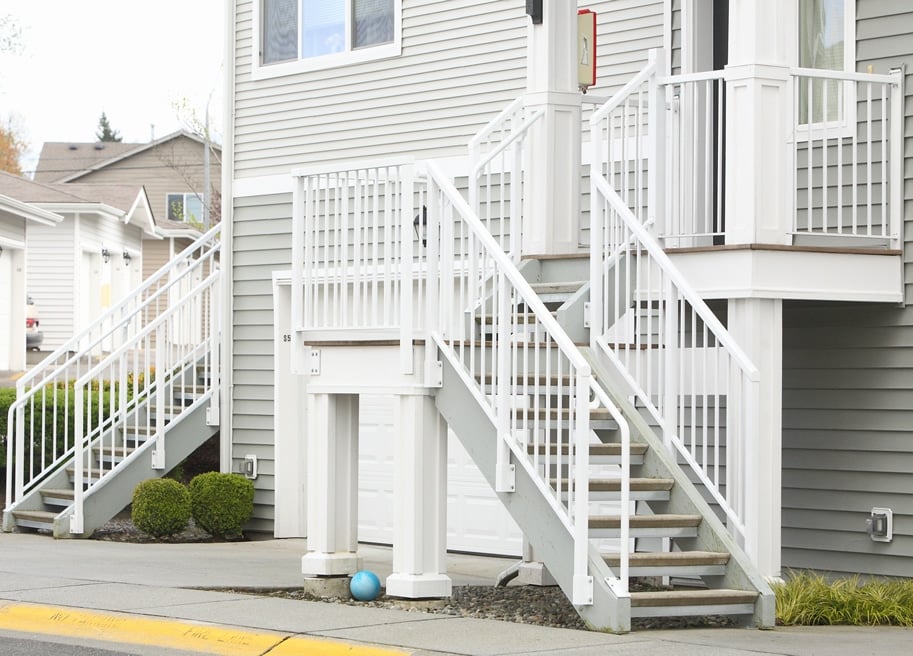
Farmhouse designs typically utilize white-painted wood with simple ball-top newels or straight picket-style spindles. These railings create bright, clean lines that enhance the rustic charm and inviting atmosphere characteristic of farmhouse interiors.
Modernizing Traditional Designs
Traditional railings can receive a modern twist through strategic color choices, updated proportions, or selective material substitutions. Painting classic wooden railings in bold colors like deep navy or charcoal gray creates contemporary impact while preserving historical profiles.
Replacing traditional wooden balusters with sleek metal rods or adding glass panels between existing posts can transform classic designs into contemporary statement pieces that respect historical architecture while embracing current aesthetics.
Installation and DIY Considerations
The complexity of stairs railing installation varies dramatically based on material choice, stair configuration, and local building requirements. While some homeowners can successfully install basic systems, complex designs typically require professional expertise to ensure safety and code compliance.
Building Codes and Safety Standards
Understanding building codes is essential for any railing project. Residential stairs require railings between 34-38 inches high, measured from the stair nosing. Balusters must be spaced no more than 4 inches apart to prevent child entrapment, and the entire system must resist at least 200 pounds of force applied in any direction.
Handrails must be graspable, run the full length of the stairs, and terminate safely into walls, posts, or floors. These requirements ensure that your beautiful design also provides essential safety features for all users.
Railing Kits and DIY Options
Manufacturers now offer sophisticated railing kits that enable skilled homeowners to achieve professional-quality results. These systems include pre-drilled components, detailed instructions, and all necessary hardware for straightforward installation.
DIY-Friendly Options:
- Aluminum railing kits with adjustable components
- Cable systems with pre-tensioned hardware
- Wood balusters with metal connectors
- Glass panels with simplified mounting brackets
However, complex installations involving custom glass, curved stairs, or structural modifications should always involve qualified professionals to ensure proper installation and code compliance.
Tools and Skills Required
Basic railing installation requires standard construction tools including drills, levels, measuring devices, and appropriate fasteners. More complex projects may demand specialized equipment for cutting, welding, or handling heavy glass panels.
Accurate measurement represents the most critical skill—even small errors in spacing or alignment can result in systems that fail to meet building codes or function properly. Professional consultation during the planning phase can prevent costly mistakes and ensure successful project completion.
Cost Factors and Budget Planning
Stairs railing costs vary enormously based on material selection, design complexity, and installation requirements. Understanding these factors helps you make informed decisions that balance aesthetic goals with budget constraints.
Labor and Installation Costs
Professional installation typically represents 30-50% of total project cost, but this investment ensures proper fit, code compliance, and warranty protection. DIY installation can reduce costs significantly but requires careful attention to safety and building requirements.
Custom fabrication, complex architectural features, and premium materials increase both material and labor costs. However, high-quality railings often provide excellent return on investment, particularly in luxury homes where architectural details significantly impact property value.
Long-term Value Considerations
Premium materials like stainless steel and tempered glass offer superior longevity and minimal maintenance requirements, potentially offsetting higher initial costs through reduced upkeep expenses. Wood railings require periodic refinishing but can be updated with new stains or paint to refresh their appearance.
Consider your home’s resale value when selecting railing materials and styles. Contemporary designs in high-quality materials typically enhance property value more than trendy options that may appear dated in coming years.
Maintenance and Care
Proper maintenance ensures your stairs railing design continues to enhance your home’s beauty and safety for years to come. Different materials require specific care approaches to preserve their appearance and structural integrity.
Glass Railing Maintenance
Glass railings require regular cleaning to maintain their transparency and visual impact. Use non-ammonia glass cleaners and soft cloths to prevent scratching, and address water spots promptly to maintain clarity. Inspect mounting hardware seasonally for looseness or corrosion.
Metal Railing Care
Stainless steel and aluminum railings need minimal maintenance beyond periodic cleaning with appropriate products. Check for paint failure or rust on painted surfaces and address issues promptly to prevent deterioration. Cable systems require periodic tension adjustments to prevent sagging.
Wood Railing Maintenance
Wooden railings benefit from annual cleaning and inspection for splitting, warping, or insect damage. Plan for refinishing every 3-5 years, depending on traffic and environmental exposure. Regular sealing protects against moisture damage and extends service life.
Choosing the Right Railing for Your Space
Selecting the optimal stairs railing design requires balancing multiple factors including architectural style, safety needs, budget constraints, and maintenance preferences. The most successful installations enhance both the functional and aesthetic aspects of your staircase.
Matching Your Home’s Architecture
Contemporary homes with open floor plans benefit from transparent materials like glass or minimal cable systems that maintain sight lines and enhance natural light flow. Traditional architecture often looks best with classic wood designs that complement existing trim and architectural details.
Mixed-material approaches can bridge different design elements within your home, creating cohesive connections between traditional and contemporary features.
Family and Safety Considerations
Homes with young children benefit from closely spaced balusters and smooth surfaces without sharp edges. Glass railings provide excellent visibility for supervision while maintaining safety barriers. Consider handrail height and graspability for elderly family members or accessibility needs.
Professional Consultation Benefits
Experienced designers and installers provide valuable guidance on material selection, code compliance, and installation challenges. Their expertise can prevent costly mistakes and ensure your stairs railing design achieves both aesthetic and functional goals.
Professional consultation becomes essential for complex projects involving structural modifications, curved stairs, or specialized materials. The investment in expert guidance often pays dividends through improved results and avoided problems.
FAQ
What is the difference between handrails and stair rails? Handrails refer specifically to the graspable rail element, while stair rails (or stair railings) encompass the entire barrier system including balusters, posts, and mounting hardware.
How high should stair railings be according to building codes? Residential stair railings must be 34-38 inches high as measured from the stair nosing. Commercial and public spaces may have different requirements.
Can I install stair railings myself or do I need a professional? Simple railing kits can be DIY projects for skilled homeowners, but complex materials like glass or custom designs typically require professional installation to ensure safety and code compliance.
What is the most durable material for stair railings? Stainless steel and tempered glass offer the best combination of durability and low maintenance, though properly maintained wood railings can last for decades.
Do glass railings meet safety requirements for stairs? Yes, when proper thickness tempered glass and code-compliant mounting systems are used, glass railings meet or exceed all safety requirements.
What spacing is required between balusters for safety? Building codes require maximum 4-inch spacing between balusters to prevent child entrapment.
How often should stair railings be inspected for safety? Annual inspections are recommended, with additional checks after any impact or excessive use. Look for loose hardware, cracks, or movement at connection points.
Your stairs railing design represents a crucial intersection of safety, aesthetics, and architectural enhancement. By carefully considering materials, styles, and installation requirements, you can create a railing system that not only meets building codes but transforms your staircase into a stunning focal point that elevates your entire home. Whether you opt for the transparency of glass, the strength of metal, or the warmth of wood, the right railing choice will serve as both a functional necessity and a beautiful expression of your design vision.