Deck Railing Ideas: Stylish Designs for Your Outdoor Space

Key Takeaways

  • Modern deck railings combine safety with style using materials like composite, aluminum, glass, and cable systems
  • Composite and aluminum railings offer the best low-maintenance options with 20-25 year warranties
  • Glass and cable railings maximize views while meeting safety codes for elevated decks
  • Mixed material designs create unique aesthetics by combining different railing components
  • Proper railing height (36-42 inches) and baluster spacing (4 inches maximum) ensure code compliance

Your outdoor area deserves a deck railing that provides both safety and stunning visual appeal. Whether you’re building a new deck or upgrading an existing balcony, the right railing design can transform your outdoor space into a showcase that reflects your personal style while ensuring the safety of family and guests.

Modern deck railing ideas have evolved far beyond basic wood spindles. Today’s homeowners can choose from innovative materials like composite systems, sleek aluminum designs, breathtaking glass panels, and contemporary cable railings that offer breathtaking views. The key is finding the perfect balance between function, aesthetics, and your budget.

Modern Material Options for Deck Railings

The deck railing industry has revolutionized outdoor design with advanced materials that require minimal maintenance while delivering maximum style. Unlike traditional wood railings that need annual staining and sealing, modern alternatives provide decades of reliable performance with simple cleaning.

Composite and aluminum railings now represent over 60% of all new deck installations, driven by their superior durability and low maintenance requirements. These materials resist fading, cracking, and corrosion while offering extensive color and design options that complement any architectural style.

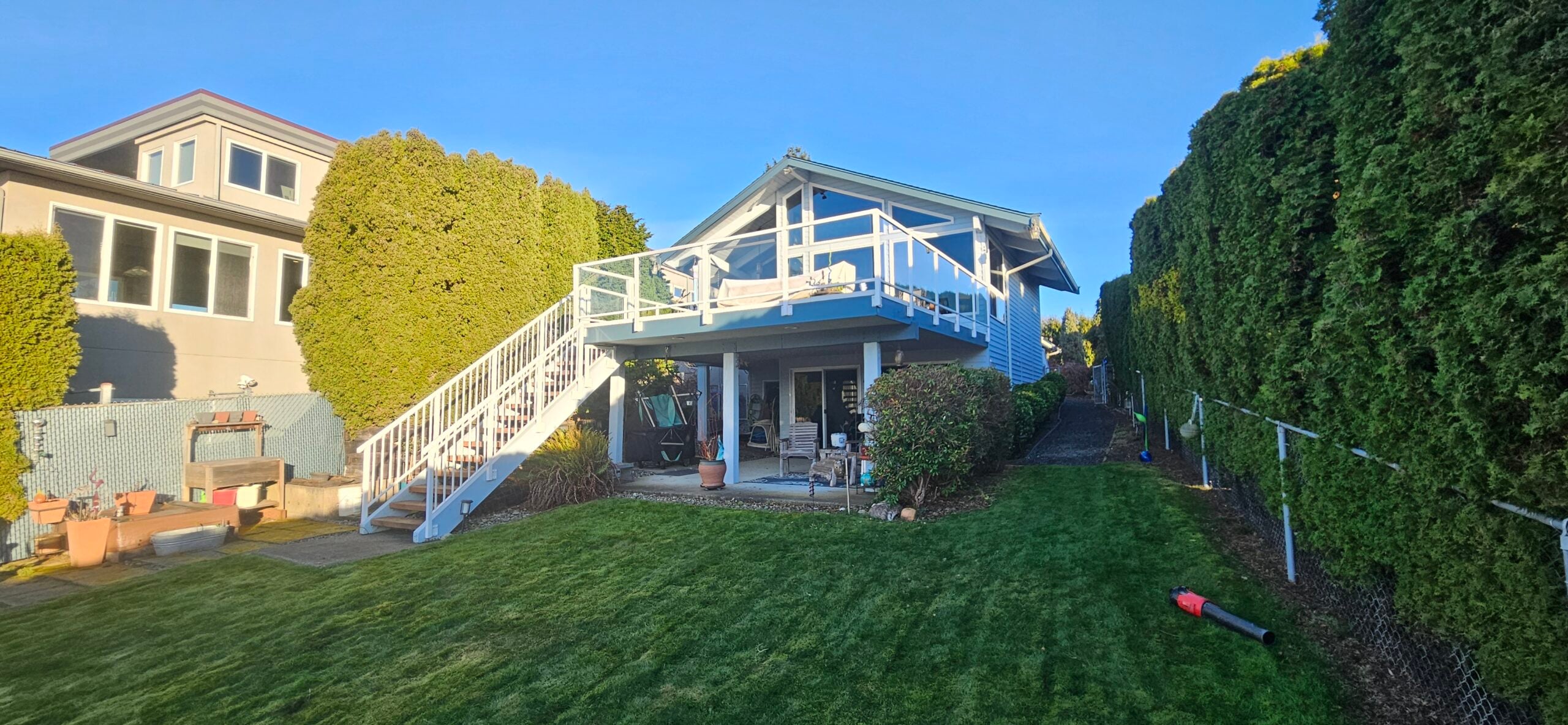
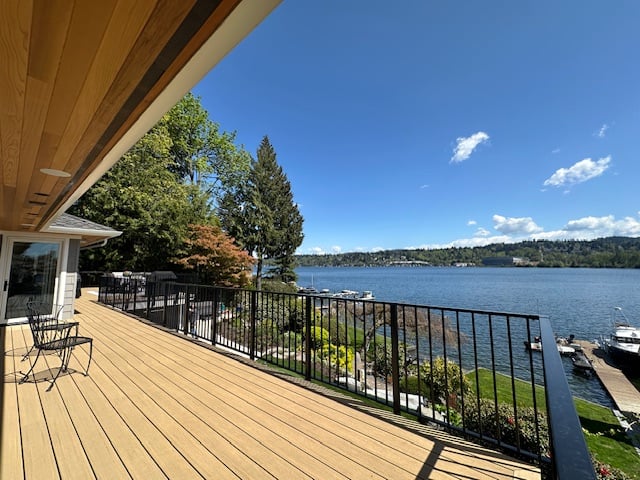
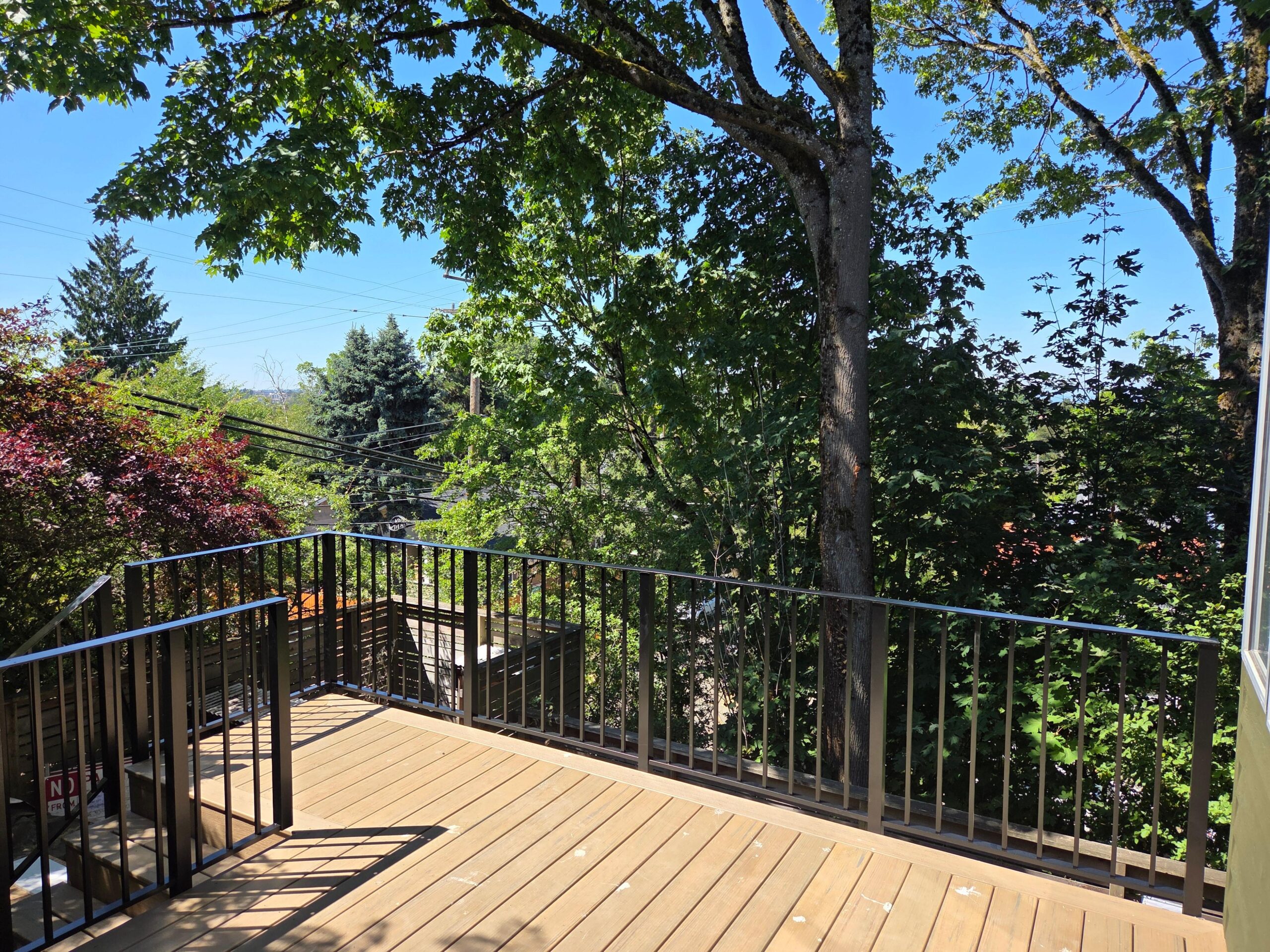
The image features a modern composite deck railing system with sleek aluminum balusters, providing a stylish and durable safety barrier while overlooking a beautifully landscaped backyard. This design enhances the outdoor area, allowing for breathtaking views and a contemporary aesthetic.

When comparing costs, consider both upfront investment and long-term maintenance. While wood railings may cost $40-65 per linear foot initially, annual maintenance adds $3-5 per linear foot in materials and labor. Premium composite systems cost $48-150 per linear foot but include warranties up to 25 years with minimal upkeep.

Climate considerations play a crucial role in material selection. Coastal homes require corrosion-resistant aluminum or stainless steel components, while extreme temperature variations favor composite materials that won’t expand and contract like traditional lumber. UV resistance ratings ensure colors remain vibrant in sunny climates.

Composite Deck Railings

Leading manufacturers like Trex, TimberTech, and Fiberon have perfected composite railing systems that combine recycled wood fibers with high-performance polymers. These engineered materials resist rot, insects, and weathering while maintaining the natural appearance of wood grain.

Color options have expanded dramatically, with Earth tones, sophisticated grays, and rich blacks leading current design trends. Many systems offer coordinating fascia and trim pieces that create seamless integration with composite decking. The result is a cohesive outdoor area that requires only annual cleaning with soap and water.

Installation varies by system complexity, with basic composite railings suitable for DIY installation using standard tools. Premium systems with integrated lighting or curved sections typically require professional installation to ensure proper alignment and electrical connections. Most manufacturers provide detailed installation guides and customer support for DIY projects.

TimberTech’s composite railings include innovative features like hidden fasteners and color-matched hardware that eliminate visible screws and bolts. Their warranty coverage extends 25 years for residential use, providing peace of mind for homeowners investing in long-term value.

Aluminum Railing Systems

Powder-coated aluminum railings deliver exceptional durability with minimal weight, making them ideal for balcony applications and elevated decks. Available finishes include classic bronze, contemporary black, and crisp white that won’t fade or chip like painted surfaces.

Modern aluminum systems accommodate various infill options including cable, glass panels, and traditional pickets. This versatility allows homeowners to customize their railing design while maintaining structural consistency. Curved railing capabilities enable unique deck shapes and flowing designs that follow architectural lines.

Corrosion resistance makes aluminum railings particularly valuable in coastal environments where salt air quickly deteriorates other materials. Marine-grade powder coatings provide additional protection, ensuring decades of reliable performance without rust or deterioration.

Installation typically involves mounting posts to the deck frame, then securing pre-fabricated rail sections with concealed brackets. Most systems include adjustable components that accommodate minor variations in post spacing, simplifying the installation process for both professionals and skilled DIYers.

Glass Railing Designs for Unobstructed Views

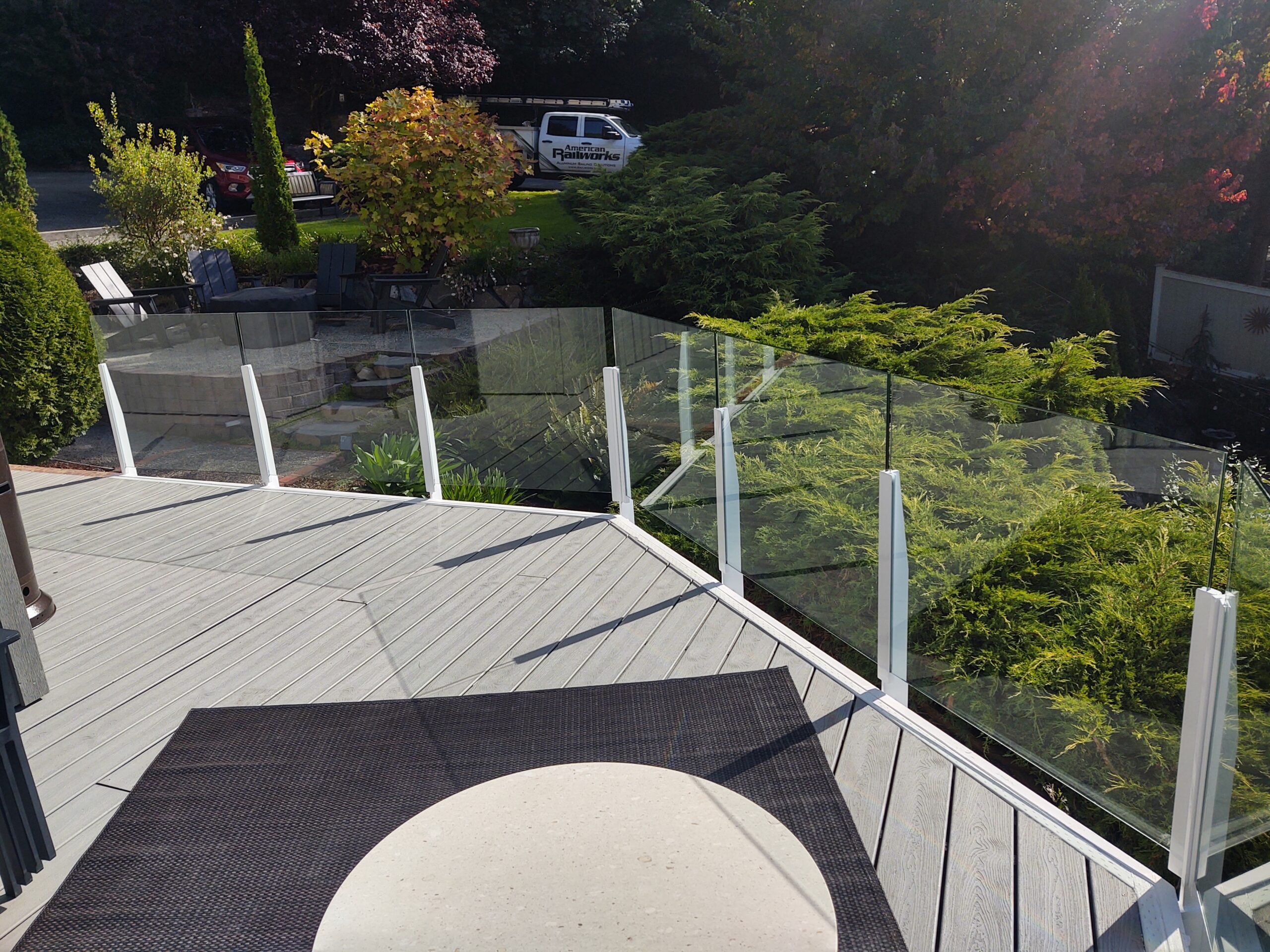
Glass railings transform any deck or balcony into a stunning viewing platform that maximizes scenery while meeting safety requirements. Tempered glass panels withstand impact forces while providing wind protection that extends comfortable outdoor living seasons.

Safety glass options include tempered glass that shatters into small, less dangerous pieces, and laminated glass that holds together when broken. Both types meet building code requirements for guardrail applications, with thickness typically ranging from 1/4 inch to 1/2 inch depending on panel size and wind loads.

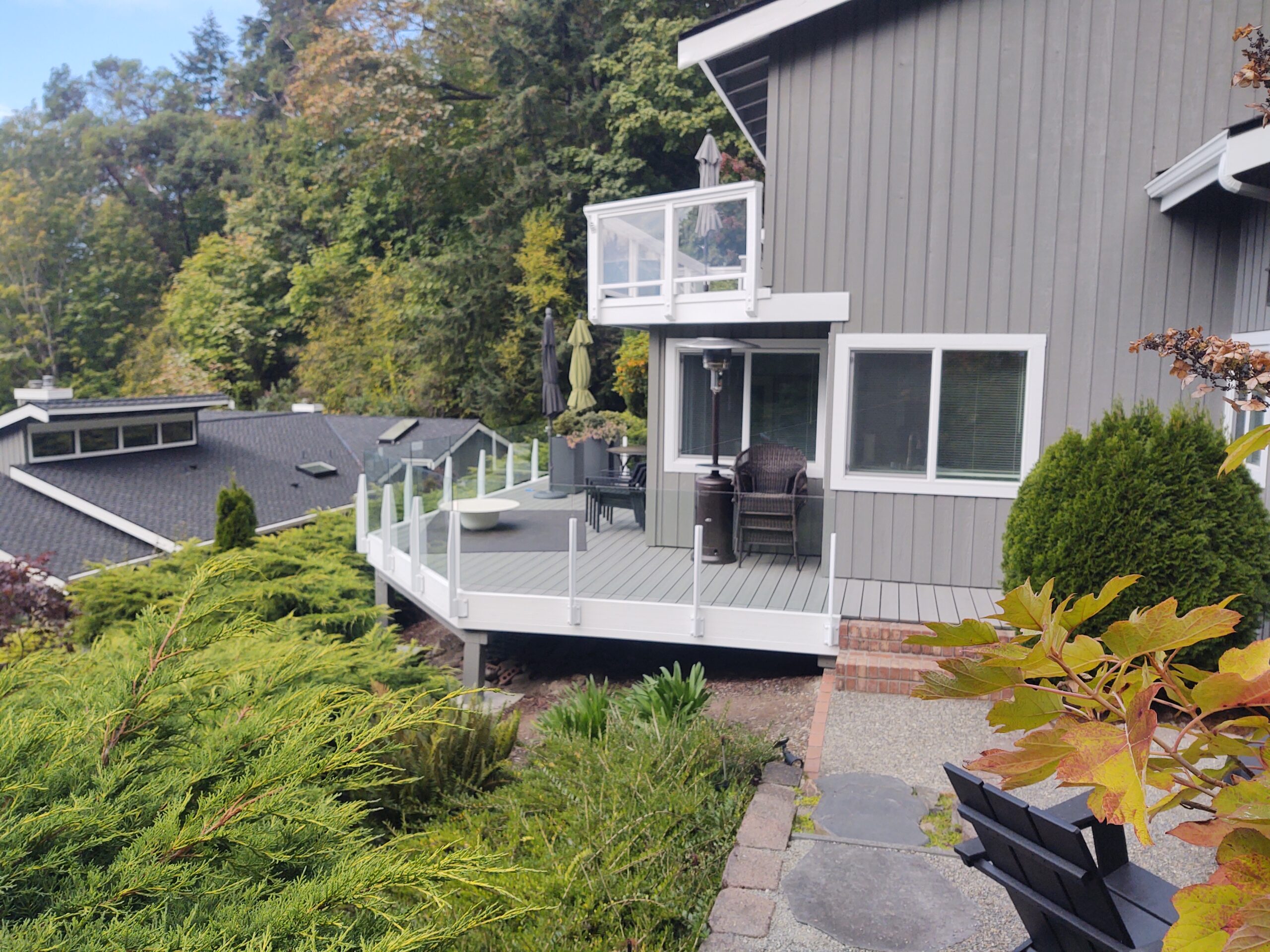
The image features a modern deck with a frameless glass railing system that provides unobstructed views of the breathtaking mountains in the background. This stylish balcony railing design enhances the outdoor area while ensuring safety and durability.

Frameless glass systems use stainless steel clamps and minimal hardware to create nearly invisible barriers that don’t obstruct views. These premium installations require precise measurements and professional installation but deliver unmatched visual impact. Semi-frameless options with aluminum posts provide similar aesthetics at lower cost.

Cleaning considerations include regular washing to remove water spots, fingerprints, and environmental residue. Most homeowners find that bi-weekly cleaning maintains optimal clarity, with specialized glass cleaners providing streak-free results. Wind load calculations ensure panels withstand local weather conditions safely.

Cable Railing Ideas for Contemporary Homes

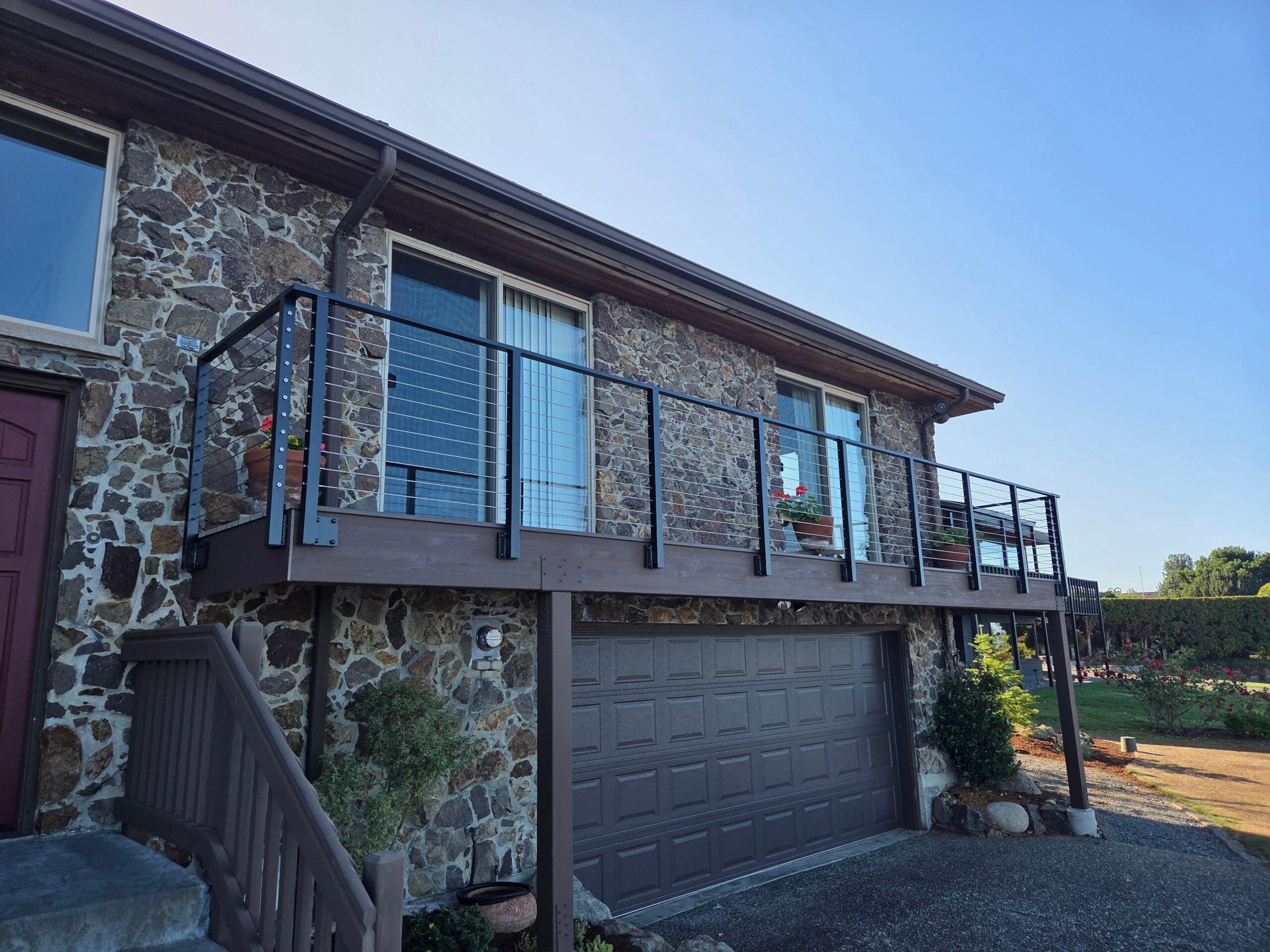
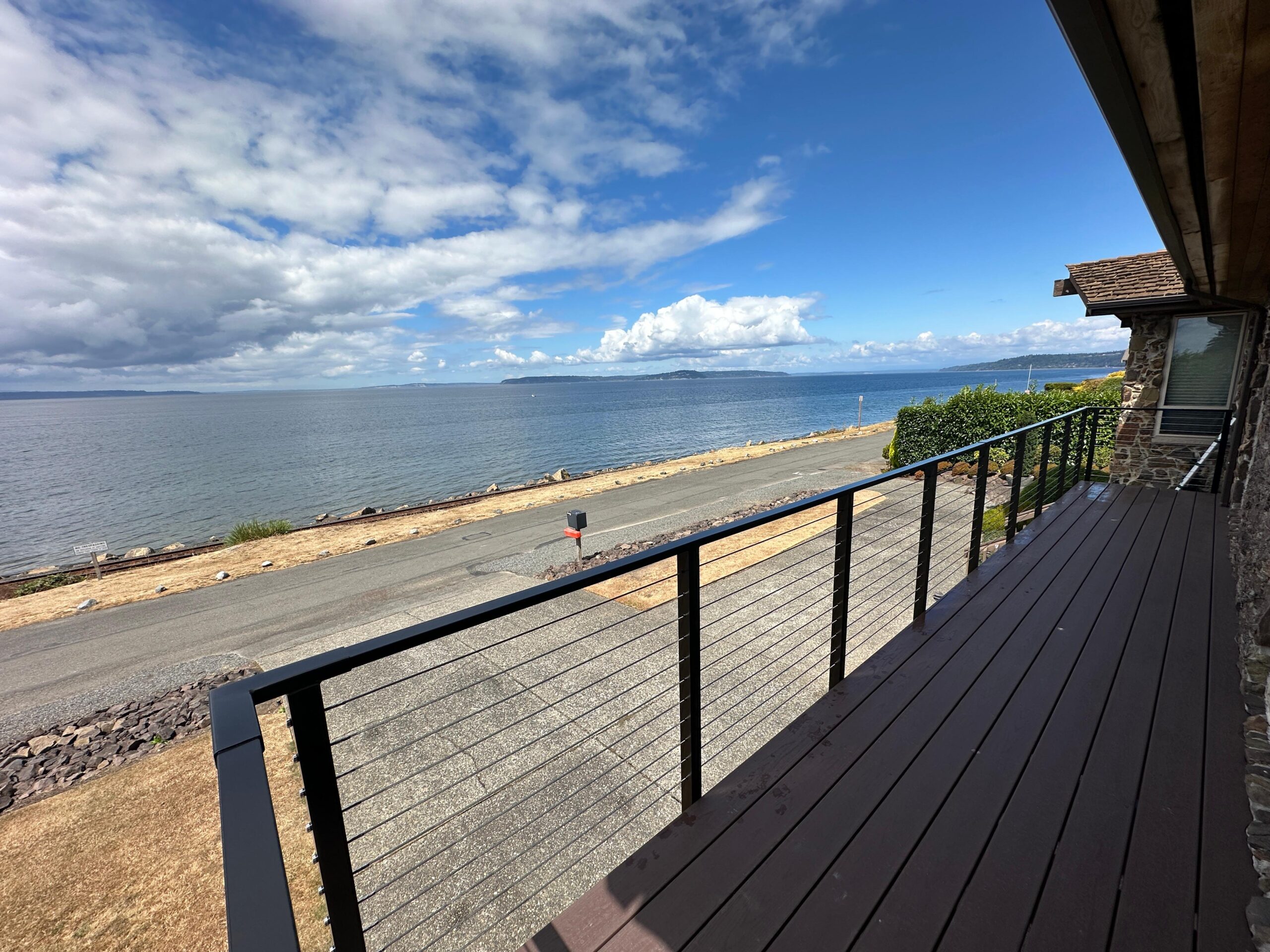
Stainless steel cable railings epitomize modern design with their sleek horizontal lines and minimal visual impact. Marine-grade 1/8-inch cables provide structural strength while allowing maximum light and air circulation through the railing system.

Wood post combinations create warmth and contrast, with cedar, mahogany, or composite posts providing support for stainless steel cable runs. This mixed-material approach suits both contemporary and transitional architectural styles while maintaining the open feel that makes cable railings so popular.

Tensioning systems require precise installation to ensure cables maintain proper tightness without sagging over time. Professional-grade hardware includes adjustable tensioners that allow fine-tuning after installation. Most systems specify maximum cable runs of 8-10 feet between posts to maintain structural integrity.

Pet and child safety considerations include cable spacing that prevents climbing while meeting code requirements. Horizontal cables spaced 4 inches apart satisfy most building codes while creating the clean lines that define this railing style. Some jurisdictions restrict horizontal cable designs due to climbing concerns.

Installation challenges include drilling precise holes for cable routing and achieving consistent tension across all cables. Many homeowners choose professional installation to ensure proper cable alignment and tensioning, though DIY cable railing kits are available for skilled installers.

Traditional Wood Railing Styles

Classic wood railings remain popular for their natural beauty, customization options, and compatibility with traditional home styles. Cedar, redwood, and pressure-treated lumber provide the foundation for designs ranging from simple pickets to elaborate turned balusters.

Cedar offers natural insect and rot resistance with beautiful grain patterns that accept stain beautifully. Redwood provides similar benefits with distinctive reddish coloring, while pressure-treated lumber offers the most affordable option for budget-conscious projects. All wood types require regular maintenance to preserve appearance and structural integrity.

Decorative balusters add architectural interest with profiles ranging from simple squares to ornate turned designs. Custom millwork enables unique patterns and craftsman-style details that reflect regional building traditions. Local woodworkers can create one-of-a-kind elements that personalize any railing design.

Maintenance schedules typically include annual cleaning and staining or sealing to protect against moisture and UV damage. High-quality stains provide 3-5 years of protection in moderate climates, while harsh conditions may require more frequent treatment. Proper preparation and application ensure maximum longevity from maintenance efforts.

Cost-effective alternatives include engineered lumber products that resist warping and splitting while maintaining wood appearance. These materials cost more initially but reduce maintenance requirements and provide more consistent results than traditional lumber.

Mixed Material Design Combinations

Contemporary railing ideas increasingly combine materials to create unique aesthetics that leverage each material’s strengths. Composite posts with aluminum rail systems provide durability and style flexibility, while wood frames with metal mesh create industrial-inspired designs.

Stone or concrete pillars paired with glass panels deliver substantial visual weight perfect for large decks and elevated balconies. These combinations require careful engineering to ensure proper load distribution and weather resistance. Color coordination strategies help unify different materials into cohesive designs.

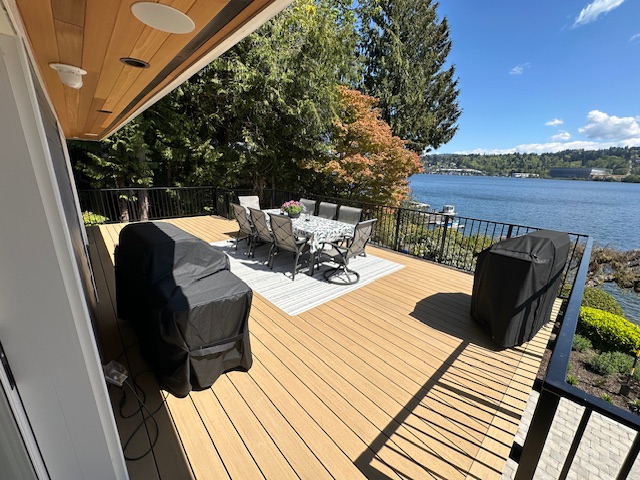
This image features a contemporary deck with a mixed material railing, showcasing wooden posts, sleek aluminum rails, and cable infill, providing a modern and durable design that enhances safety while offering breathtaking views of the outdoor area. The combination of materials adds a stylish touch to the balcony railing, making it a perfect choice for modern homes.

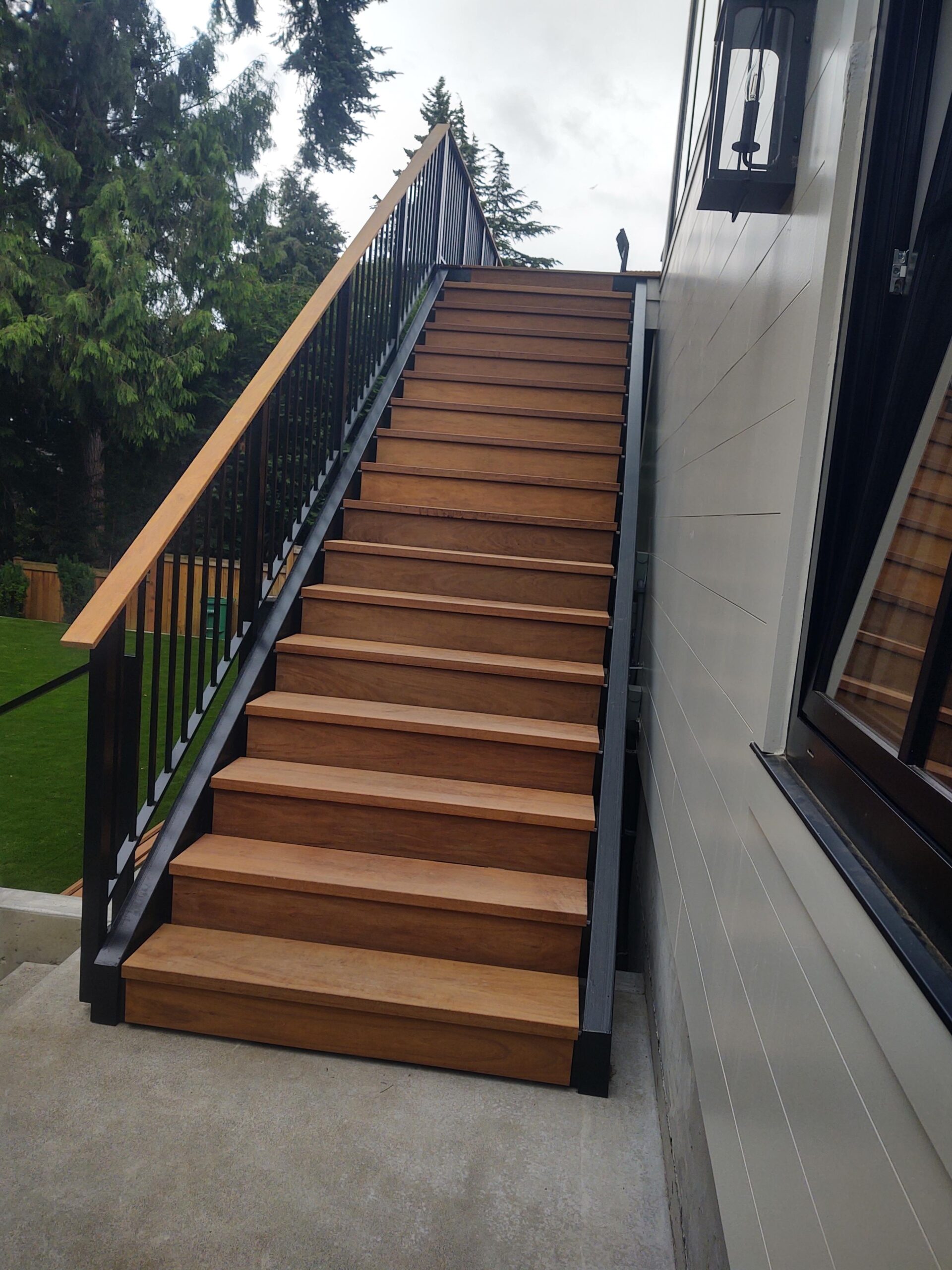
Recent design trends favor high-contrast combinations like black aluminum with natural wood or white composite with stainless steel cables. These bold pairings create striking visual statements that complement modern architectural styles while providing practical benefits.

Planning mixed material installations requires understanding how different materials expand and contract with temperature changes. Proper detailing prevents stress points that could lead to premature failure or unsightly gaps between components.

Decorative and Architectural Railing Elements

Modern deck railings extend far beyond basic safety barriers to include integrated features that enhance outdoor living. Post cap lighting, decorative sleeves, and built-in planters transform functional railings into design focal points that add value and enjoyment to any outdoor area.

Privacy screens integrated with railing systems provide wind protection and visual screening without compromising style. These elements can incorporate laser-cut patterns, frosted glass panels, or living walls that create intimate outdoor spaces while maintaining required safety barriers.

Planter box combinations allow deck gardening without sacrificing railing function. These integrated designs support herbs, flowers, or small vegetables while providing the required guardrail protection. Built-in seating with railing backrests maximizes deck space efficiency.

Lighting Integration

Low-voltage LED strip lighting transforms railing systems into stunning nighttime features that provide both safety and ambiance. Hidden channels in composite and aluminum railings conceal wiring while directing light downward to illuminate deck surfaces and stairs.

Post cap fixtures from major manufacturers offer styles ranging from traditional lanterns to contemporary geometric designs. Solar-powered options eliminate wiring complexity while providing sustainable lighting solutions. Smart home integration enables dimming controls and automated scheduling that enhances outdoor entertaining.

Step lighting coordination ensures consistent illumination from deck surface to stair treads. Synchronized systems create seamless lighting experiences that guide traffic safely while highlighting architectural features. Professional installation ensures proper electrical connections and code compliance.

Safety Requirements and Building Codes

All deck and balcony railings must comply with International Residential Code (IRC) requirements that specify minimum heights, maximum opening sizes, and structural strength standards. These regulations ensure railings provide adequate protection while allowing design flexibility.

Height requirements typically mandate 36-inch minimum railings for decks up to 30 inches above grade, with 42-inch minimums for higher installations. Baluster spacing cannot exceed 4 inches to prevent small children from falling through openings. These measurements apply to the finished installation, not individual components.

Load testing requirements specify that railings must withstand 200 pounds of concentrated horizontal force applied at the top rail. This standard ensures railings can resist typical loads from people leaning or pushing against them. Professional installations include proper anchoring to deck framing that meets or exceeds these requirements.

Local permit requirements vary by jurisdiction but typically require permits for new railing installations on elevated decks. Inspection processes verify compliance with local codes and proper installation techniques. ADA compliance considerations may apply to commercial installations or residential projects requiring accessibility features.

Installation and Maintenance Considerations

DIY-friendly railing systems include basic aluminum picket designs and simple composite systems that use standard carpentry tools. These installations typically require measuring, cutting, and fastening skills within most homeowners’ capabilities. Manufacturers provide detailed instructions and customer support for DIY projects.

Professional installation becomes necessary for complex designs involving glass panels, intricate cable systems, or structural modifications. These projects require specialized tools, technical knowledge, and often local permits that professional contractors handle efficiently.

Tool requirements for DIY installations include standard carpentry tools plus specialized items like cable tensioning tools or glass handling equipment. Skill level assessments help homeowners determine whether to tackle projects themselves or hire professionals.

Seasonal maintenance schedules vary by material but generally include annual cleaning and inspection of all components. Composite and aluminum systems require minimal care beyond washing, while wood railings need regular staining or sealing. Cable systems may require periodic retensioning to maintain proper appearance and safety.

Repair strategies for common issues include replacing individual balusters, adjusting cable tension, or refinishing wood components. Component availability ensures repairs remain cost-effective compared to complete replacement. Planning for eventual replacement helps homeowners budget for long-term maintenance.

Frequently Asked Questions

How do I choose between glass and cable railings for my view deck?

Glass railings provide completely unobstructed views and better wind protection but cost $75-150 per linear foot and require regular cleaning to maintain clarity. Cable railings cost $40-80 per linear foot with minimal view obstruction but allow wind and weather to pass through. Consider your climate, maintenance preferences, and budget when deciding between these premium options.

Can I install deck railings myself or do I need a professional?

Simple composite railing systems are designed for DIY installation with basic tools and average carpentry skills. However, aluminum deck railings, glass railings, complex curved designs, and structural modifications typically require professional installation to ensure safety and code compliance. Cable systems fall somewhere between, with DIY kits available but professional installation recommended for optimal results.

If you want a worry-free experience and professional results, consider using American Railworks for your aluminum deck railing installation. You don’t need to worry or fret about doing it wrong or running into any problems. We take care of everything, making the entire process smooth and hassle-free, so you can enjoy your beautiful outdoor space with complete peace of mind.

How long do different railing materials typically last?

Composite railings last 25-30 years with minimal maintenance, while aluminum systems last 20-25 years. Properly maintained wood railings last 10-15 years before requiring significant repair or replacement. Stainless steel cable and glass systems can last 15-20 years depending on environmental conditions and maintenance quality.

What railing height is required by building codes?

Most building codes require deck railings to be 36 inches high for decks up to 30 inches off the ground and 42 inches high for decks more than 30 inches off the ground. Balusters must be spaced no more than 4 inches apart to prevent small children from falling through. These requirements ensure safety while allowing design flexibility within code parameters.

Scroll to Top