Reviewed August 26, 2026
Residential Railing Safety Standards: Guards, Handrails & Planning
A guard protects an open edge. A handrail gives someone a graspable surface along stairs. Understanding that difference is the most useful first step when planning a residential railing project.
Current Seattle code context for 2026
Seattle is currently enforcing the 2021 Seattle Residential Code. The City says adoption of its 2024 Seattle codes is anticipated no sooner than May 2027. Requirements still depend on the property, application, scope, and authority having jurisdiction.
Important: This guide provides general information only—not legal, engineering, permit, inspection, or project-specific advice. Confirm current requirements with the authority having jurisdiction and the responsible project professionals before design, fabrication, installation, or alteration.
What residential railing safety standards cover
Residential railing safety standards address the complete application, not only the visible infill. Homeowners often use railing as a catch-all term. Codes and project documents are more specific because guards and handrails do different jobs and may be governed by different rules.
A barrier at an open edge
A guard helps reduce the risk of falling from a deck, balcony, landing, porch, or open side of a stair. Its required location, height, openings, and structural performance depend on the adopted code and project condition.
A graspable surface along stairs
A handrail is positioned so someone can grasp it while using stairs or a ramp. A guard can sometimes incorporate a handrail, but one does not automatically satisfy every requirement for the other.
Seattle’s residential deck and stair snapshot
The City of Seattle’s current deck guidance identifies several common residential thresholds. These figures are a planning snapshot, not a substitute for reviewing the adopted code and the actual property.
For the local details, exceptions, measurement points, and current links, use our Seattle deck railing code guide.

Safety planning changes with the application
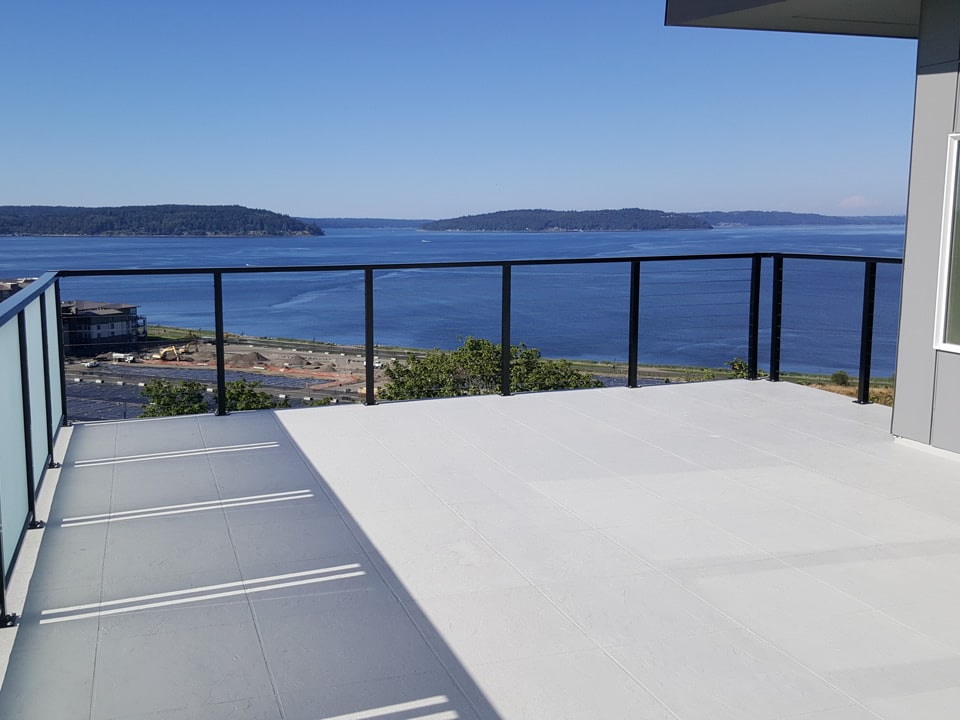
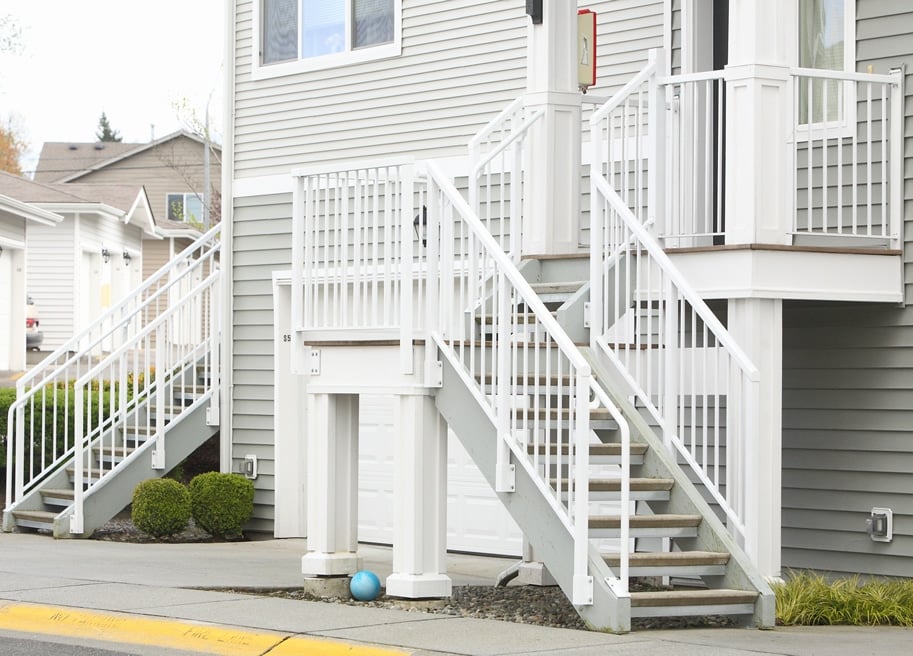
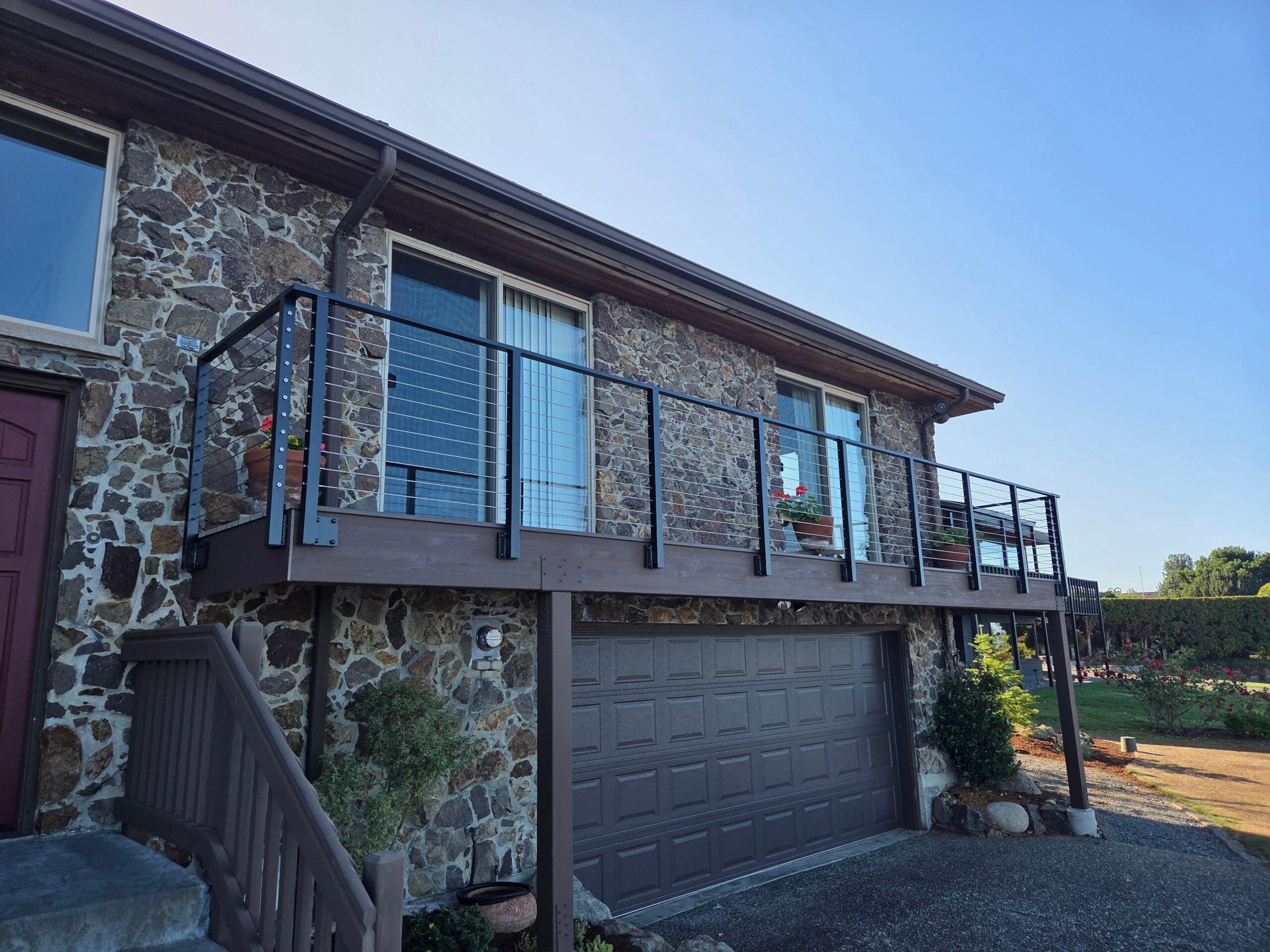
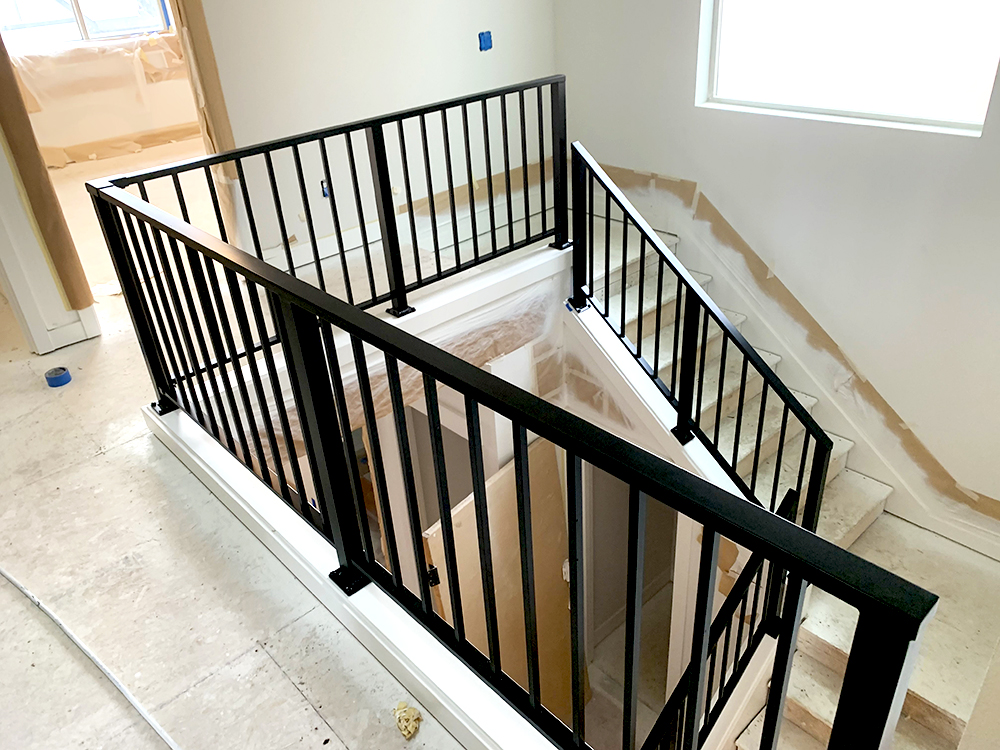
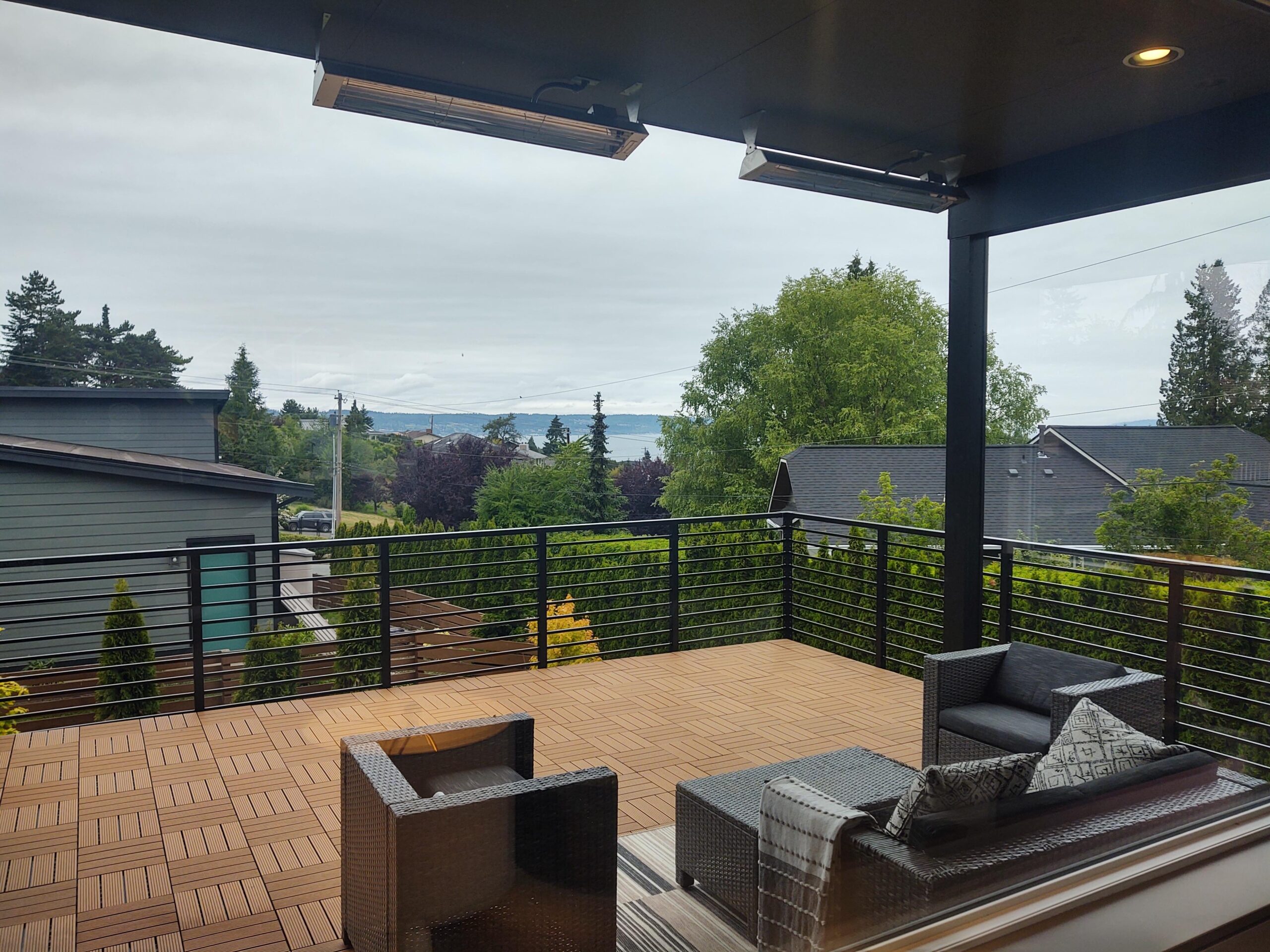
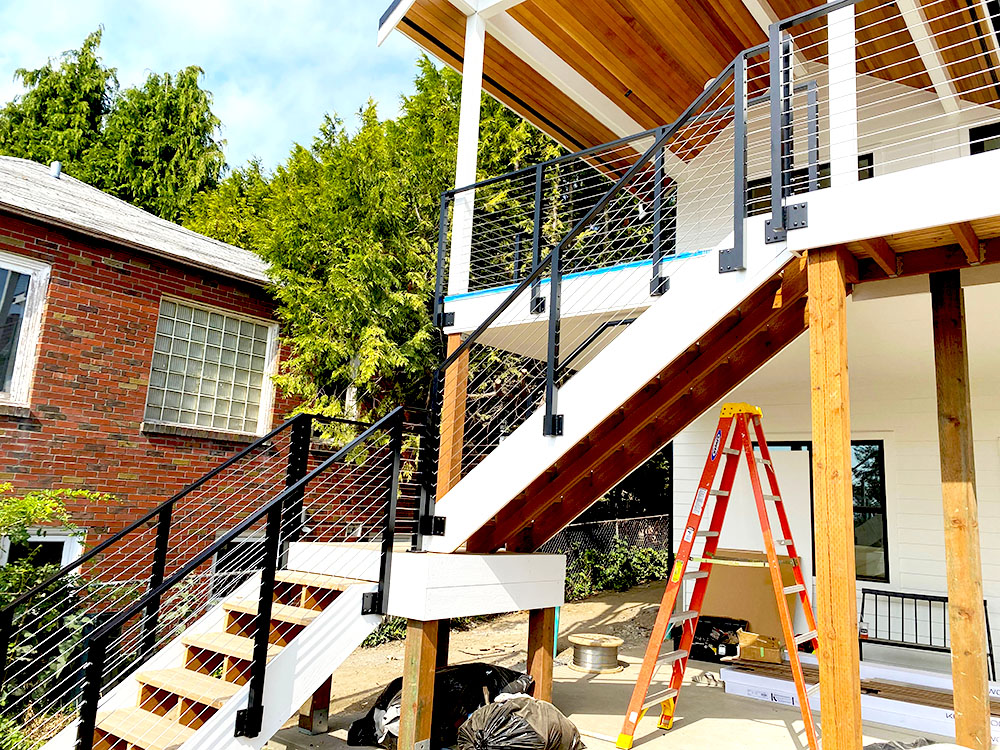
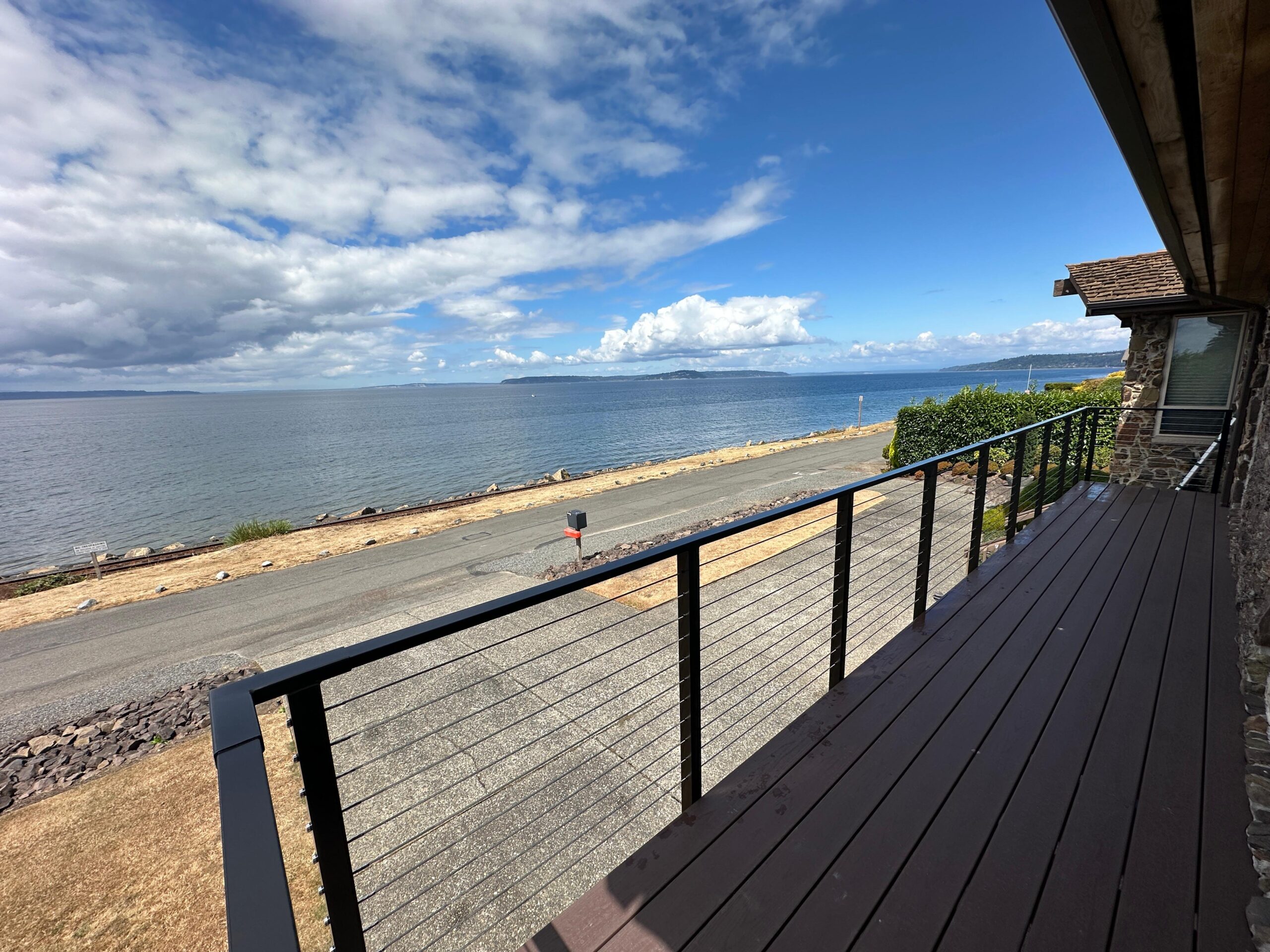
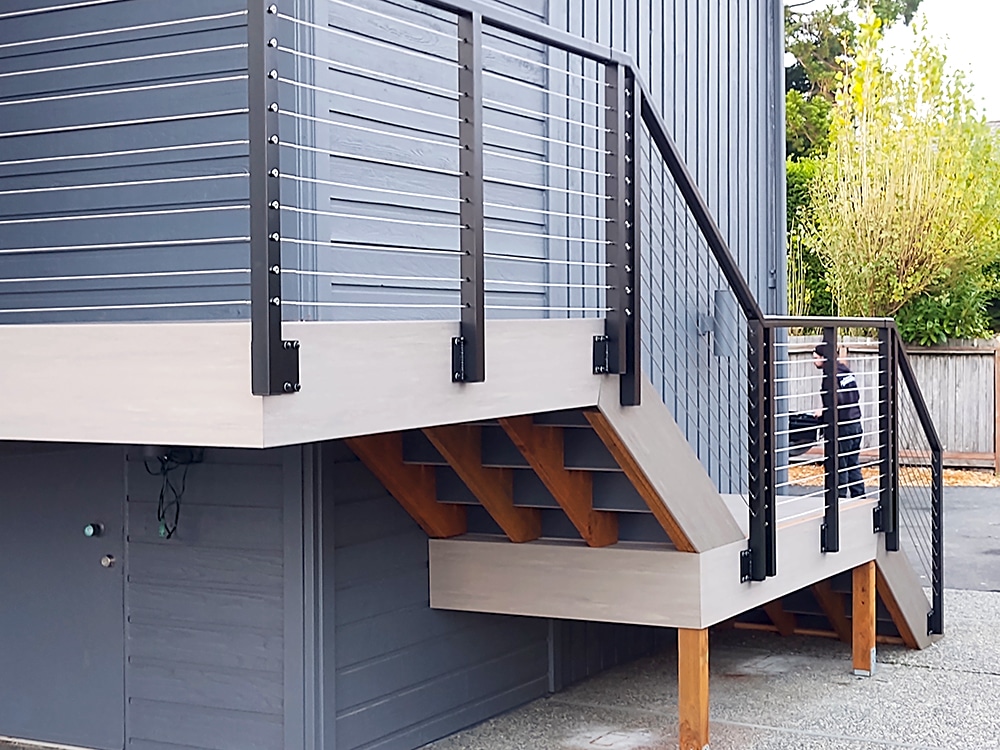
These verified American Railworks residential projects show why a stair, deck edge, interior opening, and elevated outdoor area should not be treated as the same railing condition.
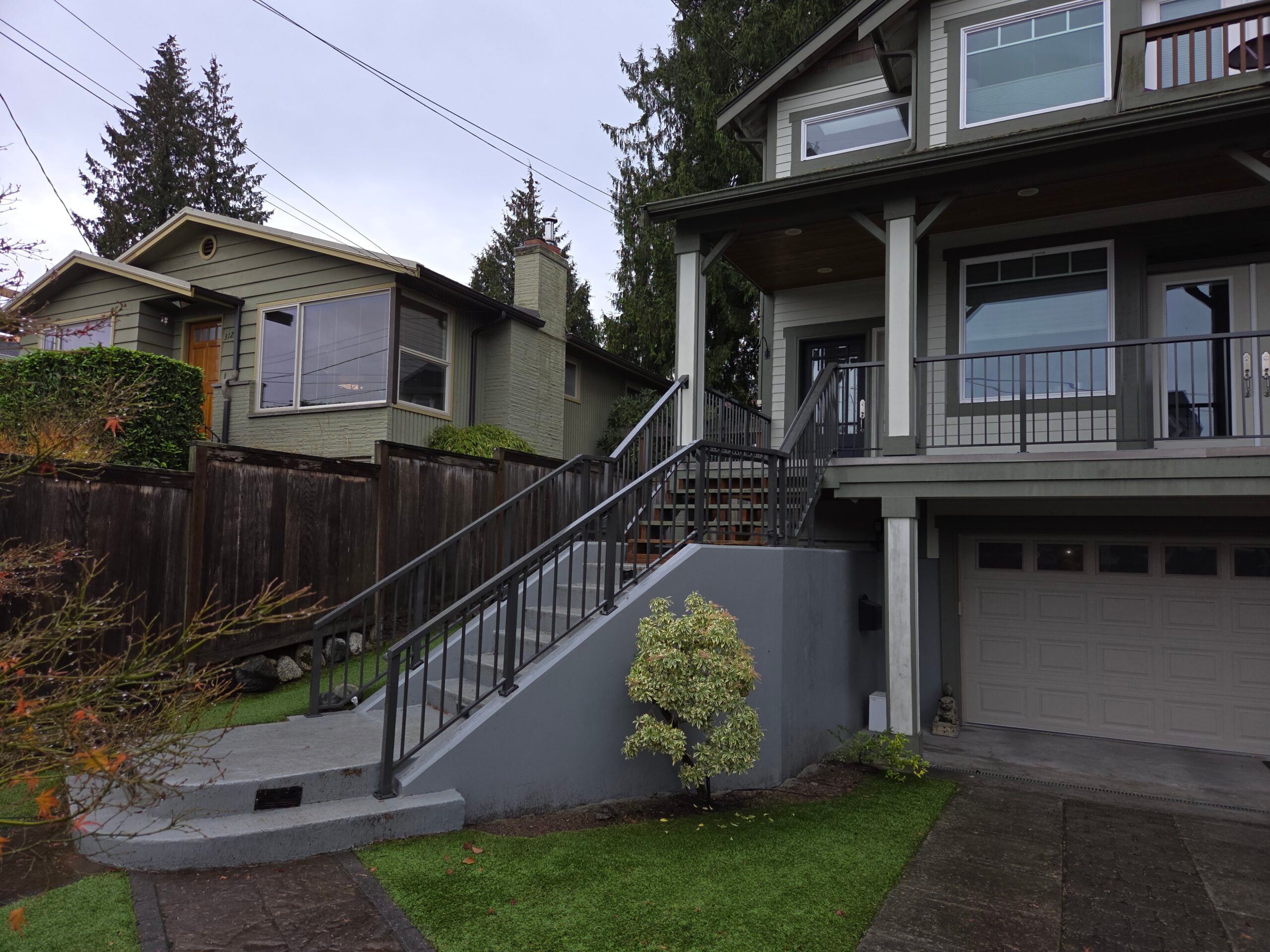

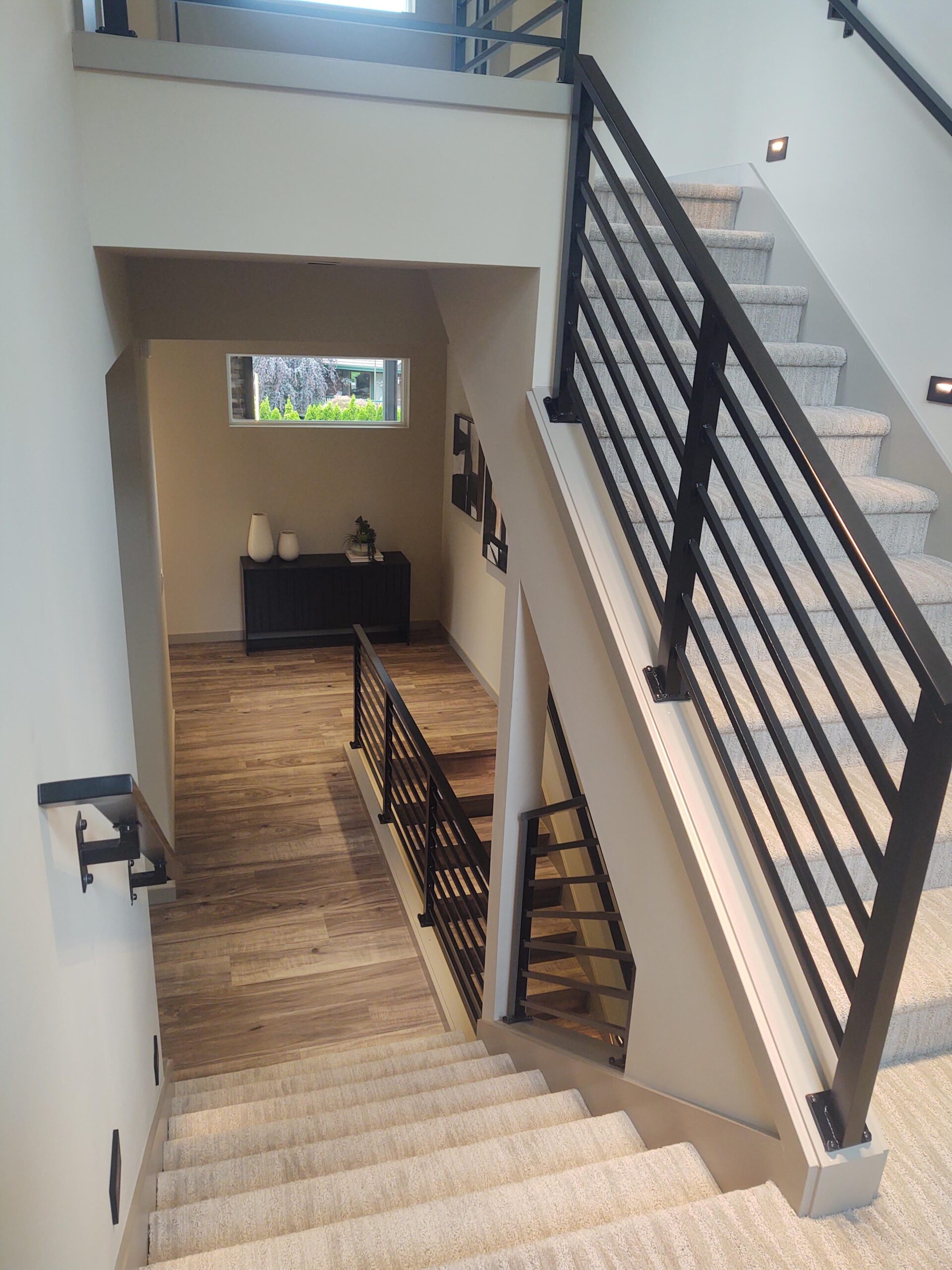
What changes from one residential project to another
A useful safety conversation goes beyond the infill pattern. It considers the complete condition, including edges, stairs, attachment points, transitions, and the adopted requirements for that property.
Decks, porches, and balconies
Height above adjacent surfaces, nearby grade, openings, gates, and the way the system attaches to the structure all matter. Start with the actual edge condition—not just a preferred style.
Explore custom balcony railings and modern horizontal deck railings.
Interior and exterior stairs
Stair geometry, open sides, landings, graspability, continuity, clearances, and transitions can affect the guard and handrail plan. Interior and weather-exposed stairs also present different material and finish conditions.
Compare interior stair railings with exterior stair railings.
Glass, cable, and horizontal infill
Each system needs to be planned as a complete assembly. Seattle identifies special requirements for glass guards, and engineering may be needed. Cable and horizontal elements also require project-specific attention to the adopted opening and structural provisions.
See glass railing systems and stainless steel cable railings.
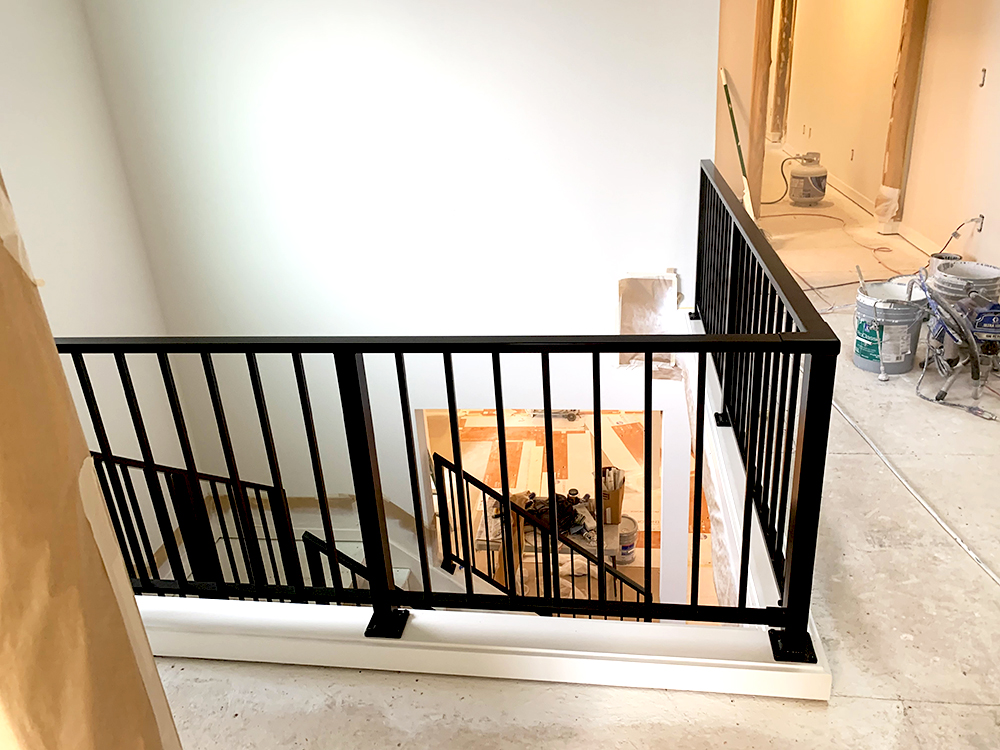
When an existing railing deserves a closer look
A visual check cannot determine structural adequacy, code compliance, or remaining service life. It can, however, help identify conditions worth discussing with a qualified professional.
Posts, rails, or connections feel different than before.
Bent components, cracked glass, broken infill, or impact damage is present.
Loose cable, missing pickets, or displaced components alter the barrier.
Deterioration appears at the railing, fasteners, or supporting structure.
A remodel, new door, gate, stair, or altered walking surface changes the condition.
The age, attachment method, or prior alterations are unknown.
For general care considerations, read our railing maintenance guide.
A practical planning checklist
- Identify each open edge, stair flight, landing, ramp, gate, and transition in the project area.
- Confirm the jurisdiction and authority having jurisdiction for the property.
- Check which adopted code and local amendments apply to the proposed scope.
- Separate the guard function from the graspable handrail function.
- Document existing structural and attachment conditions for the responsible professionals to evaluate.
- Coordinate the railing material, infill, finish, post spacing, gates, and transitions as one system.
- Ask whether glass, unusual geometry, existing construction, or another project condition needs engineering.
- Reconfirm permit, design, and inspection requirements before work begins.
Outside Seattle, the adopted code and amendments can differ. The Washington State Building Code Council residential-code amendments and Washington Administrative Code Chapter 51-51 are useful official starting points, followed by confirmation with the local authority having jurisdiction.
Residential railing safety questions
What is the difference between a guard and a handrail?
A guard is a barrier at an open edge. A handrail is a graspable surface intended to support someone using stairs or a ramp. A single assembly may include both functions, but the terms are not interchangeable.
When does a residential deck need a guard in Seattle?
Seattle’s current deck guidance states that a guard is required when a deck is more than 30 inches above adjacent surfaces. The code includes specific measurement language and project details can change the determination, so confirm the actual condition with SDCI and the responsible project professionals.
How high is a residential deck guard in Seattle?
Seattle’s deck guidance identifies a minimum guard height of 36 inches for the common residential deck condition. Stair and handrail conditions have separate provisions and exceptions, which is why the whole application needs to be reviewed.
When is a handrail required on residential stairs in Seattle?
Seattle’s deck guidance states that stairs with four or more risers need a handrail. It identifies a handrail height of 34 to 38 inches above stair nosings and landings and a grip size of 1¼ to 2 inches. Confirm continuity, clearances, returns, and the complete stair condition in the adopted code.
Are glass guards treated differently?
Yes. Seattle identifies special glass-guard requirements in Seattle Building Code Sections 1015.2.1 and 2407 and notes that engineering may be needed. The glass, supports, connections, and complete assembly should be evaluated together.
Can American Railworks help plan a custom residential railing?
American Railworks designs, fabricates, and installs custom railing systems. You can begin with the property, application, and design direction. Photos or rough dimensions are helpful when available, but they are not required to start the conversation.
Plan a railing around the home you have
Tell us about the deck, stair, balcony, porch, or interior opening you are considering. American Railworks can start with the application and design direction, then help shape a custom railing path for the project.